

1. What Is a Range Market?
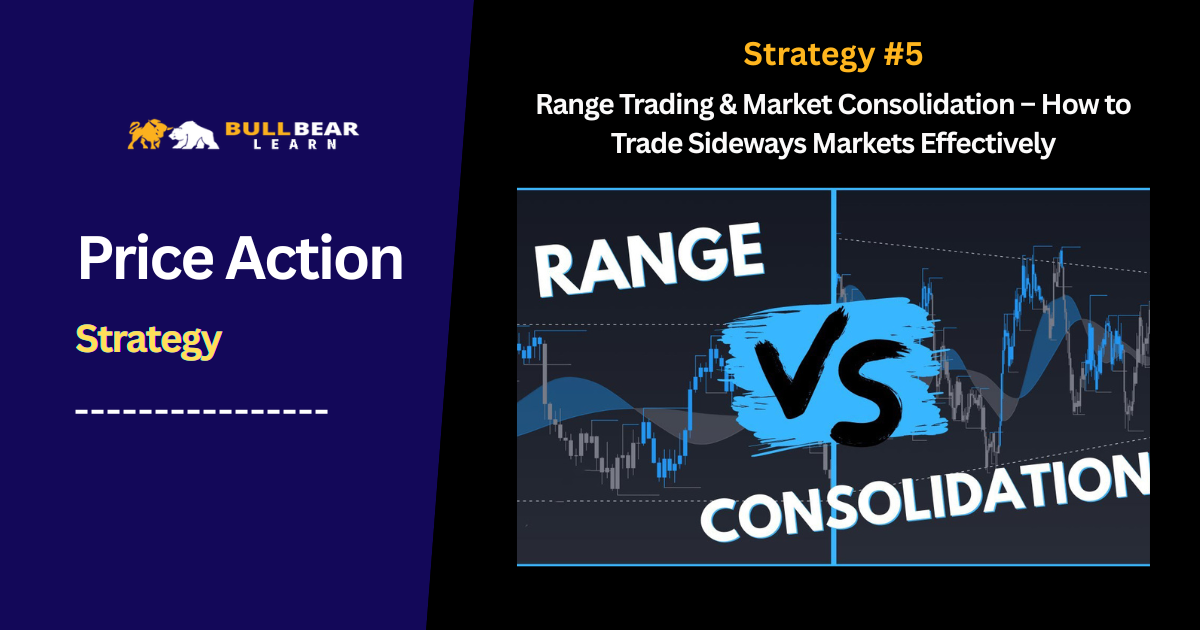
A range market occurs when price moves sideways between a clear support and resistance zone without forming a strong trend.
In this condition:
- Buyers defend support
- Sellers defend resistance
- Price repeatedly bounces between both levels
Unlike trending markets, range markets show:
- No clear directional bias
- Choppy price action
- Repeated reversals inside the range
If you are new to structure analysis, read first:
👉 Market Structure Guide → /market-structure/
2. Why Most Traders Lose in Ranging Markets
Most traders are trained to:
- Chase breakouts
- Follow trends
- Buy momentum
But in a range:
❌ Breakouts often fail
❌ Momentum disappears quickly
❌ False signals increase dramatically
This is why many traders get trapped during consolidation.
3. The Psychology Behind Consolidation
A ranging market usually represents:
- Balance between buyers and sellers
- Institutional accumulation/distribution
- Market indecision before expansion
During consolidation:
Smart Money often builds positions quietly before a large move.
This is why:
👉 Strong trends are frequently born from tight ranges.
4. How to Identify a Range Market
1. Equal Highs and Equal Lows
Price repeatedly rejects similar levels.
2. Lack of Trend Structure
No clear:
- Higher highs
- Lower lows
3. Repeated Reactions at Key Zones
Support holds multiple times.
Resistance holds multiple times.
👉 Learn key levels here:
→ /support-resistance/
4. Choppy Candles
Signs include:
- Long wicks
- Overlapping candles
- Weak momentum
5. Best Range Trading Strategy (Core Setup)
This is the highest-probability approach for beginners and intermediate traders.
Step 1: Identify Range Boundaries
Mark:
- Range support
- Range resistance
The more times price reacts to the zone:
👉 The stronger the range becomes.
Step 2: Wait for Price to Reach Extreme
Avoid entering in the middle of the range.
Professional traders focus on:
- Buying near support
- Selling near resistance
Step 3: Wait for Confirmation
Entry confirmation examples:
- Pin bar
- Engulfing candle
- Strong rejection wick
👉 Candlestick guide:
→ /candlestick-patterns/
Step 4: Enter with Defined Risk
BUY Setup:
- Entry near support
- Stop loss below range
SELL Setup:
- Entry near resistance
- Stop loss above range
Step 5: Take Profit Before Opposite Boundary
Do NOT become greedy inside a range.
Example:
- Buy at support
- TP near resistance
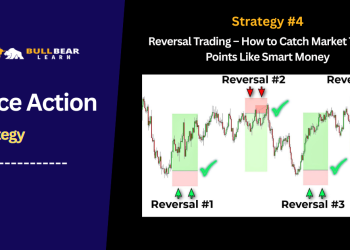
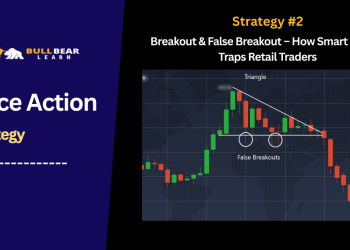
6. The Biggest Trap in Range Trading: False Breakouts
This is the most important concept in range markets.
What Happens?
- Price breaks resistance
- Traders buy breakout
- Market reverses sharply
OR:
- Price breaks support
- Traders sell breakout
- Price immediately rebounds
Why?
Because ranges contain massive liquidity.
Institutions often:
- Trigger breakout traders
- Collect stop losses
- Reverse price aggressively
👉 Deep explanation here:
→ /breakout-strategy/
7. Advanced Range Trading Concept: Liquidity Sweep
Professional traders love this setup.
Example:
- Price briefly breaks range high
- Stops get triggered
- Market reverses back into range
This is known as:
👉 Liquidity grab
👉 Stop hunt
To understand Smart Money logic:
→ /liquidity-concepts/
8. When NOT to Trade a Range
Avoid trading when:
❌ Range becomes too tight
❌ Major news is approaching
❌ Volatility suddenly expands
❌ Market is preparing for breakout
Remember:
Every range eventually ends.
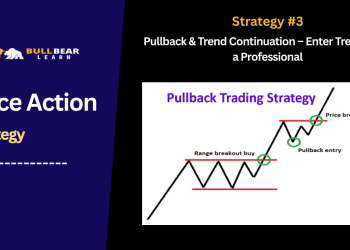
9. How to Spot an Upcoming Breakout
Signs a breakout may be coming:
- Strong momentum candles appear
- Pullbacks become shallow
- Price compresses near one side
- Rejections weaken repeatedly
👉 Once breakout happens, switch to:
→ /pullback-strategy/
10. Best Timeframes for Range Trading
Recommended:
- H1
- H4
- Daily
These timeframes provide:
- Cleaner levels
- Less fake movement
- Better structure
11. Common Range Trading Mistakes
❌ Trading in the middle of the range
This destroys RR.
❌ Chasing breakouts blindly
Most range breakouts initially fail.
❌ Ignoring confirmation
Never enter solely because price touched support/resistance.
❌ Overtrading low volatility markets
Sometimes the best trade is no trade.
12. Risk Management in Range Trading
Because ranges contain many fake moves:
- Use smaller position sizes
- Respect stop losses
- Avoid overleveraging
👉 Full guide:
→ /risk-management/
13. Professional Range Trading Mindset
Amateur traders become emotional inside consolidation.
Professionals understand:
- Ranges are liquidity zones
- Patience matters more than prediction
- The edges of the range are where opportunity exists
Retail traders chase movement
Professional traders wait at key zones
14. Tools for Better Range Analysis
To trade ranges effectively, you need:
- Clear chart visualization
- Reliable execution
- Multi-timeframe analysis
👉 Professional trading platform:
→ /go/broker
👉 Advanced charting tools:
→ /go/tradingview
15. Conclusion
Range trading is one of the most misunderstood Price Action strategies.
While most traders struggle in sideways markets, experienced traders understand:
- Consolidation creates liquidity
- False breakouts create opportunity
- Patience creates consistency
Mastering range trading will dramatically improve your ability to:
- Avoid fake breakouts
- Control emotions
- Trade like Smart Money
Recommended Next Step
👉 Continue with:
Price Action Strategy #6: Liquidity & Stop Hunt Trading