


What Is Technical Analysis in Forex?
Technical analysis is one of the most important skills in Forex trading. It helps traders analyze price charts, identify trends, and find potential trading opportunities based on historical price movements.
Unlike fundamental analysis, which focuses on economic news and financial data, technical analysis studies price action directly on the chart. Most retail traders and professional traders use some form of technical analysis in their daily trading.
In this guide, you will learn:
- What technical analysis means
- How Forex charts work
- The main tools used in technical analysis
- The advantages and disadvantages of technical analysis
- How beginners can start analyzing the Forex market
What Is Technical Analysis?
Technical analysis is the process of studying historical price movements to predict future market direction.
The main idea behind technical analysis is simple:
Price tends to repeat certain patterns because market psychology repeats over time.
Forex traders use charts, candlestick patterns, support and resistance levels, trendlines, and indicators to analyze market behavior.
Instead of asking:
- “Why is the market moving?”
Technical traders usually ask:
- “What is the market likely to do next?”
This approach allows traders to make decisions based on probabilities rather than emotions.
Why Technical Analysis Is Important in Forex
The Forex market moves 24 hours a day and reacts quickly to:
- Economic news
- Interest rate decisions
- Market sentiment
- Institutional activity
Because of this constant movement, traders need a structured way to analyze price action.
Technical analysis helps traders:
- Identify market trends
- Find entry and exit points
- Manage trading risk
- Avoid emotional trading
- Improve consistency
Without analysis, trading becomes gambling.
The Three Main Assumptions of Technical Analysis
Technical analysis is based on three core principles.
1. The Market Discounts Everything
Technical analysts believe that all available information is already reflected in the price.
This includes:
- Economic data
- News events
- Market sentiment
- Institutional orders
That is why many traders focus mainly on the chart itself.
2. Price Moves in Trends
Markets usually move in trends rather than random directions.
The three main market conditions are:
- Uptrend
- Downtrend
- Range (sideways market)
Identifying the trend is one of the first steps in technical analysis.
You can learn more in our guide on identifying Forex market trends.
3. History Tends to Repeat Itself
Human emotions such as fear and greed often create repeating chart patterns.
This is why traders still use:
- Support and resistance
- Candlestick patterns
- Breakout setups
- Trend continuation patterns
These patterns have existed for decades because trader behavior remains similar over time.
Types of Forex Charts
Before learning technical analysis, beginners must understand Forex charts.
The three main chart types are:
Line Chart
A line chart connects closing prices over time.
Advantages:
- Simple to read
- Good for beginners
Disadvantages:
- Limited information
- Does not show candle details
Bar Chart
Bar charts show:
- Open price
- High price
- Low price
- Close price
They provide more information than line charts but can look complicated for beginners.
Candlestick Chart
Candlestick charts are the most popular chart type in Forex trading.
Each candle shows:
- Open
- High
- Low
- Close
Candlestick charts make it easier to identify:
- Market sentiment
- Momentum
- Reversal signals
- Trend strength
Most traders primarily use candlestick charts.
Common Technical Analysis Tools
There are many tools used in Forex technical analysis.
Support and Resistance
Support and resistance levels are areas where price often reacts.
- Support = price floor
- Resistance = price ceiling
These levels help traders identify:
- Potential reversals
- Breakouts
- Entry opportunities
Trendlines
Trendlines help traders visualize market direction.
An upward trendline connects higher lows.
A downward trendline connects lower highs.
Trendlines are commonly used to:
- Confirm trends
- Identify breakouts
- Spot trend reversals
Candlestick Patterns
Candlestick patterns help traders understand buyer and seller behavior.
Popular patterns include:
- Pin bar
- Engulfing candle
- Doji
- Hammer
These patterns are widely used in price action trading.
Indicators
Indicators are mathematical tools added to charts.
Popular Forex indicators include:
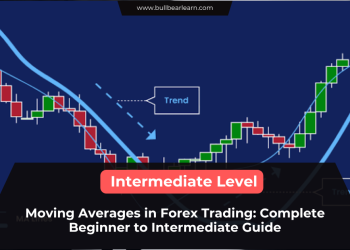
- Moving Average
- RSI
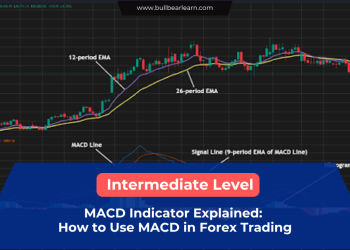
- MACD
- Bollinger Bands
Indicators can help confirm trends and momentum, but beginners should avoid using too many at once.
Technical Analysis vs Fundamental Analysis
Both technical and fundamental analysis are important in Forex trading.
Technical Analysis
Focuses on:
- Price charts
- Patterns
- Trends
- Market structure
Best for:
- Short-term trading
- Swing trading
- Day trading
Fundamental Analysis
Focuses on:
- Interest rates
- Inflation
- Economic news
- Central bank policies
Best for:
- Long-term market direction
- Macro analysis
Many professional traders combine both methods.
Advantages of Technical Analysis
1. Easy to Learn
Beginners can start understanding basic chart structures relatively quickly.
2. Works in Any Market
Technical analysis can be applied to:
- Forex
- Stocks
- Crypto
- Commodities
- Indices
3. Helps Improve Discipline
Using rules-based analysis reduces emotional decision-making.
4. Provides Clear Entry and Exit Points
Technical analysis helps traders define:
- Stop loss
- Take profit
- Risk-reward ratio
Limitations of Technical Analysis
Technical analysis is useful, but it is not perfect.
1. No Analysis Is 100% Accurate
The market can behave unpredictably.
False breakouts and sudden news events can invalidate setups.
2. Too Many Indicators Can Cause Confusion
Many beginners overload charts with indicators.
Simple analysis is often more effective.
3. Requires Practice
Reading charts consistently takes time and screen experience.
Most successful traders spend years improving their chart analysis skills.
How Beginners Should Start Learning Technical Analysis
If you are new to Forex, focus on mastering the basics first.
Step 1: Learn How to Read Charts
Understand:
- Candlesticks
- Timeframes
- Market structure
Step 2: Study Support and Resistance
These are the foundation of price action trading.
Step 3: Learn Trend Analysis
Always identify the overall market direction before entering trades.
Step 4: Practice on a Demo Account
Use demo trading to:
- Test strategies
- Build confidence
- Improve discipline
Step 5: Keep Your Strategy Simple
Avoid:
- Overtrading
- Too many indicators
- Complicated systems
Simple trading systems are often more effective.
Common Beginner Mistakes
Trading Without a Plan
Entering random trades usually leads to losses.
Ignoring Risk Management
Even strong analysis can fail.
Always use stop losses and proper position sizing.
Chasing Every Market Move
Not every chart movement is a trading opportunity.
Patience is a key trading skill.
Final Thoughts
Technical analysis is the foundation of Forex trading.
By learning how to read charts, identify trends, and understand price action, traders can make more informed trading decisions.
However, technical analysis is not a shortcut to instant profits. It requires:
- Patience
- Practice
- Risk management
- Emotional discipline
Beginners should focus on mastering the basics before moving to advanced trading strategies.
The best approach is to start simple, practice consistently, and gradually build experience over time.
Related Articles
- How to Read Forex Charts
- Support and Resistance Explained
- Candlestick Basics for Beginners
- How to Identify Market Trends
- Breakout vs Fakeout
- Multi Timeframe Analysis Guide
FAQ
Is technical analysis enough for Forex trading?
Technical analysis can be enough for many traders, especially short-term traders. However, combining technical and fundamental analysis often provides a broader market perspective.
Which chart type is best for Forex trading?
Candlestick charts are the most popular because they provide detailed information about market sentiment and price action.
Can beginners learn technical analysis?
Yes. Beginners can learn technical analysis step by step by focusing on chart basics, trends, and support and resistance levels.
How long does it take to learn technical analysis?
The basics can be learned within a few months, but becoming consistently profitable usually takes much longer and requires real trading experience.