

One of the biggest advantages of cryptocurrency is that you can control your own assets without relying on a bank.
However, this freedom comes with responsibility.
Unlike traditional banking systems, cryptocurrency transactions are usually irreversible. If funds are stolen or access is lost, recovery may be impossible.
This is why crypto security should be one of the first topics every investor learns.
The good news is that most cryptocurrency losses are preventable.
By understanding wallets, backups, and common security risks, beginners can dramatically reduce the chances of losing their assets.
In this guide, you’ll learn how to store cryptocurrency safely, protect your wallet, and avoid the mistakes that often lead to financial losses.
Why Crypto Security Matters
When using traditional financial services:
- Banks help secure accounts.
- Password resets are available.
- Fraud protection may exist.
With cryptocurrency, the situation is different.
In many cases:
- You control the assets.
- You control the wallet.
- You control the recovery process.
This model is known as self-custody.
While it offers greater ownership and independence, it also requires users to take security seriously.
Understand What You’re Protecting
Before discussing security strategies, it’s important to understand what actually needs protection.
Many beginners believe they need to protect their coins.
In reality, what matters most are:
- Private keys
- Seed phrases
- Wallet access credentials
Your cryptocurrency exists on the blockchain.
The keys simply provide access to it.
Protecting those keys is the foundation of cryptocurrency security.
Choose the Right Storage Method
Not every storage solution is suitable for every investor.
The best option depends on:
- Portfolio size
- Experience level
- Trading frequency
- Security requirements
Most users store crypto using one of three approaches.
Exchange Storage
Assets remain on an exchange.
Examples include:
- Binance
- OKX
- Bybit
Advantages:
- Easy access
- Convenient trading
- Simple account recovery
Disadvantages:
- Exchange controls the private keys
- Counterparty risk exists
This approach is often acceptable for beginners with smaller amounts.
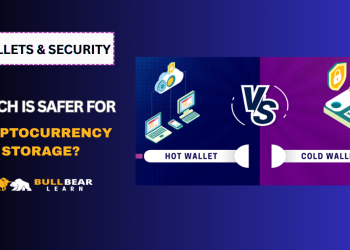
Hot Wallet Storage
Hot wallets remain connected to the internet.
Examples include:
- MetaMask
- Trust Wallet
- Exodus
Advantages:
- Fast access
- Easy transactions
- Excellent DeFi compatibility
Disadvantages:
- Greater exposure to online threats
Hot wallets are often used for everyday crypto activity.
Cold Wallet Storage
Cold wallets keep private keys offline.
Examples include hardware wallets such as:
- Ledger
- Trezor
Advantages:
- Strong security
- Reduced attack surface
- Better long-term protection
Disadvantages:
- Additional cost
- Less convenience
Cold storage is generally preferred for larger holdings.
Use Strong Passwords
Passwords remain an important layer of security.
Weak passwords continue to be one of the most common causes of account compromise.
A strong password should:
- Be unique
- Be difficult to guess
- Not be reused across platforms
Avoid:
- Birthdays
- Common words
- Simple number combinations
Password managers can help generate and store secure credentials.
Enable Two-Factor Authentication (2FA)
Two-factor authentication adds an additional security layer.
When enabled, logging in requires:
- Password
- Secondary verification
Popular 2FA methods include:
- Authentication apps
- Security keys
Authentication apps are generally preferred over SMS verification because they are less vulnerable to certain attacks.
If an exchange supports 2FA, enabling it should be considered essential.
Protect Your Seed Phrase
Your seed phrase is one of the most valuable pieces of information in cryptocurrency.
Anyone who gains access to it may be able to access your wallet.
Best practices include:
Write It Down
Store the phrase offline.
Keep Multiple Backups
Redundant backups reduce the risk of accidental loss.
Store in Secure Locations
Protect against:
- Fire
- Floods
- Theft
Never Share It
No legitimate support team will ask for your recovery phrase.
Protect Your Private Keys
Private keys should remain confidential at all times.
Never:
- Email them
- Message them
- Upload them online
Most users never need to manually interact with private keys.
Modern wallets manage them automatically.
The safest approach is simply protecting the seed phrase that generates them.
Beware of Phishing Attacks
Phishing is one of the most common crypto scams.
Attackers create fake:
- Exchange websites
- Wallet applications
- Login pages
- Support portals
The goal is usually to steal:
- Passwords
- Seed phrases
- Private keys
Before entering sensitive information:
✔ Verify the URL
✔ Double-check bookmarks
✔ Confirm website authenticity
A few extra seconds can prevent major losses.
Download Wallets From Official Sources
Fake wallet applications remain a significant threat.
Always download software from:
- Official websites
- Verified app stores
- Trusted sources
Before installing:
- Verify the publisher
- Check reviews
- Confirm authenticity
A fraudulent wallet can compromise assets immediately.
Keep Software Updated
Software updates frequently contain:
- Security fixes
- Vulnerability patches
- Stability improvements
This applies to:
- Wallets
- Browsers
- Operating systems
- Authentication apps
Ignoring updates can expose users to avoidable risks.
Separate Long-Term Holdings From Spending Funds
Many experienced investors use a layered security approach.
Long-Term Holdings
Stored in cold wallets.
Active Funds
Stored in hot wallets or exchanges.
This strategy balances:
- Security
- Accessibility
- Convenience
Think of it like having:
- A savings account
- A checking account
rather than keeping everything in one place.
Avoid Public Wi-Fi for Sensitive Activities
Public networks can increase security risks.
When managing cryptocurrency:
- Use trusted internet connections.
- Avoid logging into exchanges on public networks.
- Consider using secure devices only.
Sensitive financial activities deserve additional caution.
Verify Crypto Addresses Carefully
Cryptocurrency transactions are generally irreversible.
Before sending funds:
- Double-check addresses
- Verify the network
- Confirm recipient details
Many users perform a small test transaction before sending larger amounts.
This simple habit can prevent costly mistakes.
Learn to Recognize Common Crypto Scams
Some of the most common scams include:
Fake Giveaways
Promises of free cryptocurrency.
Impersonation Scams
Fraudsters pretending to represent exchanges or influencers.
Recovery Scams
Scammers offering to recover lost funds.
Investment Schemes
Guaranteed profit claims.
A useful rule:
If it sounds too good to be true, it probably is.
Consider a Hardware Wallet
For users holding meaningful amounts of cryptocurrency, hardware wallets can provide an additional layer of protection.
Benefits include:
- Offline key storage
- Protection from malware
- Improved long-term security
Many investors eventually transition to hardware wallets as their portfolios grow.
Create a Security Plan
Every crypto investor should have a basic security strategy.
Consider documenting:
Wallet Locations
Know where assets are stored.
Backup Locations
Know where seed phrases are secured.
Recovery Procedures
Understand how to restore access.
Emergency Planning
Prepare for lost devices or hardware failure.
Planning ahead reduces stress during unexpected situations.
Security Mistakes Beginners Commonly Make
Leaving Everything on an Exchange
Convenient but introduces counterparty risk.
Taking Screenshots of Seed Phrases
Screenshots may sync automatically to cloud services.
Ignoring Backups
Hardware can fail unexpectedly.
Reusing Passwords
Compromised credentials often spread across multiple accounts.
Trusting Unknown Sources
Many scams rely on urgency and emotional pressure.
Most security failures result from simple mistakes rather than advanced hacking techniques.
A Practical Security Setup for Beginners
For many new investors, the following setup works well:
Step 1
Buy cryptocurrency using a reputable exchange.
Step 2
Enable 2FA immediately.
Step 3
Learn wallet basics.
Step 4
Create secure backups.
Step 5
Consider transferring larger holdings to a hardware wallet.
This gradual approach allows users to improve security without becoming overwhelmed.
The Golden Rule of Crypto Security
If you remember only one principle from this article, make it this:
Protect your seed phrase and private keys above everything else.
Most cryptocurrency thefts occur because users reveal sensitive information rather than because blockchains themselves are compromised.
Good security habits can eliminate the majority of avoidable risks.
🚀 Start With a Trusted Crypto Exchange
Many beginners buy their first cryptocurrency before setting up self-custody solutions.
👉 Binance — https://bullbearlearn.com/go/binance
⚡ OKX — https://bullbearlearn.com/go/okx
🔥 Bybit — https://bullbearlearn.com/go/bybit
Once you’ve purchased crypto, take time to learn wallet security and backup procedures before moving significant amounts.
Final Thoughts
Cryptocurrency security doesn’t need to be complicated.
By understanding wallets, seed phrases, private keys, backups, and common scams, investors can significantly reduce the risk of losing funds.
The goal is not to achieve perfect security.
The goal is to avoid the mistakes that cause most losses.
A few simple habits—using strong passwords, enabling 2FA, protecting backups, and staying alert to scams—can make a tremendous difference.
As your crypto portfolio grows, your security practices should evolve alongside it.
Related Articles
🔐 What Is a Crypto Wallet? A Beginner’s Guide
🔥 Hot Wallet vs Cold Wallet: Which Is Safer for Cryptocurrency Storage?
🌱 Seed Phrase Explained: The Most Important Words in Crypto
🔑 Private Key Explained: The Secret That Controls Your Crypto
₿ What Is Bitcoin? A Beginner’s Guide to the World’s First Cryptocurrency
Frequently Asked Questions
What is the safest way to store cryptocurrency?
For long-term holdings, many investors prefer hardware wallets because they keep private keys offline.
Should I keep crypto on an exchange?
For small amounts and active trading, exchange storage can be convenient. Larger holdings are often moved to personal wallets.
Is a hardware wallet necessary?
Not always. However, many investors choose hardware wallets as their holdings increase.
What is the biggest crypto security risk?
Exposing seed phrases or private keys is among the most common causes of cryptocurrency theft.
Can stolen cryptocurrency be recovered?
In most cases, blockchain transactions are irreversible, making recovery extremely difficult or impossible.