

One of the biggest misconceptions among cryptocurrency beginners is the idea that crypto wallets actually store coins.
In reality, cryptocurrency wallets don’t hold Bitcoin, Ethereum, or other digital assets in the way a physical wallet holds cash.
Instead, crypto wallets provide access to your assets on the blockchain.
Understanding how wallets work is one of the most important steps toward becoming a safe and confident cryptocurrency investor.
Without proper wallet knowledge, users can expose themselves to unnecessary risks, including hacks, scams, and permanent loss of funds.
In this guide, you’ll learn what a crypto wallet is, how it works, the different types of wallets available, and how to choose the right wallet for your needs.
What Is a Crypto Wallet?
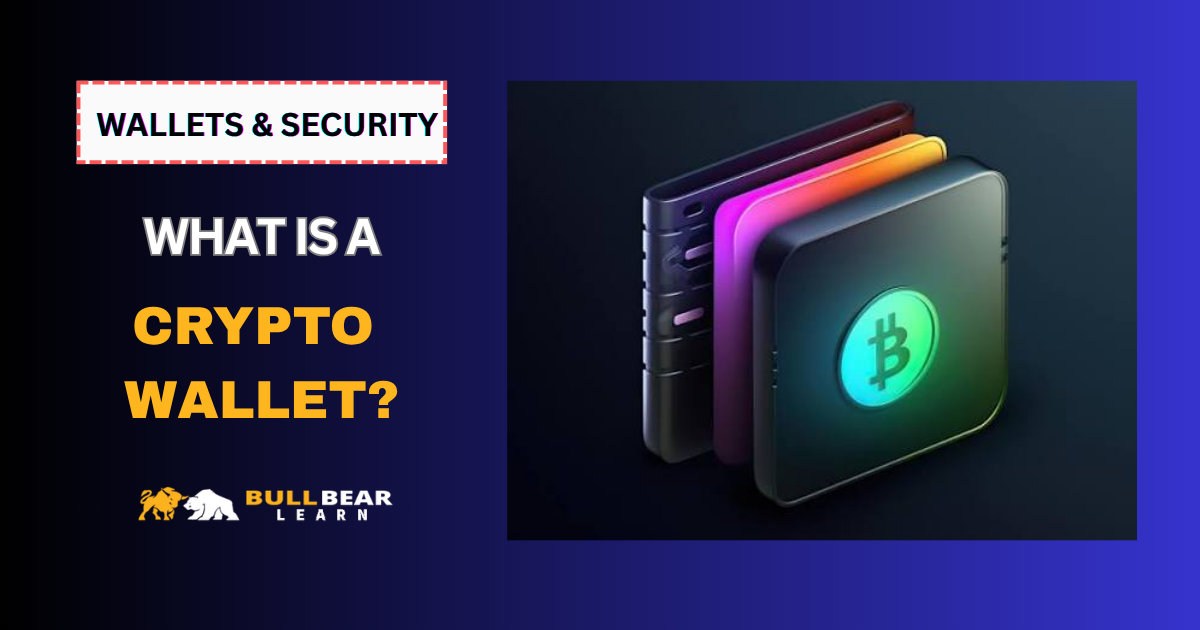
A crypto wallet is a tool that allows users to access, manage, send, and receive cryptocurrency.
Think of a wallet as the bridge between you and the blockchain.
Your cryptocurrency always exists on the blockchain itself.
The wallet simply provides the credentials required to access and control those assets.
A crypto wallet enables you to:
- Store access credentials
- Send cryptocurrency
- Receive cryptocurrency
- Check balances
- Interact with blockchain applications
- Manage multiple digital assets
Without a wallet, it would be impossible to interact with most cryptocurrency networks.
Do Crypto Wallets Actually Store Coins?
Technically, no.
This is one of the most important concepts for beginners to understand.
Your Bitcoin or Ethereum is not stored inside the wallet.
Instead:
- Assets remain recorded on the blockchain.
- Wallets store cryptographic credentials.
- Those credentials prove ownership.
A useful analogy is online banking.
Your banking app does not physically store your money.
The app simply provides access to your account.
A crypto wallet works similarly.
The difference is that cryptocurrency ownership is controlled through cryptographic keys rather than usernames and passwords.
How Does a Crypto Wallet Work?
Every wallet relies on two important components:
Public Key
A public key is similar to an account number.
You can safely share it with others.
People use your public address to send cryptocurrency to you.
Private Key
A private key proves ownership of your assets.
Whoever controls the private key controls the cryptocurrency.
This key must remain secret.
If someone gains access to your private key, they can potentially access your funds.
Together, these keys allow users to securely interact with blockchain networks.
Understanding Wallet Addresses
A wallet address is generated from your public key.
It functions similarly to a bank account number.
For example:
Bitcoin Address:
bc1qxxxxxxxxxxxxxxxxxxxxxxxx
Ethereum Address:
0x123456789xxxxxxxxxxxxxxxx
Users share wallet addresses when receiving funds.
Unlike private keys, wallet addresses can be shared publicly.
Why Crypto Wallets Are Important
Wallets give users direct control over their assets.
Benefits include:
- Ownership independence
- Access to decentralized applications
- Reduced reliance on third parties
- Greater financial flexibility
Many cryptocurrency supporters believe self-custody is one of the most powerful aspects of blockchain technology.
However, greater control also means greater responsibility.
Custodial vs Non-Custodial Wallets
This is one of the most important distinctions in cryptocurrency.
Custodial Wallets
A third party controls the private keys.
Examples include:
- Exchange accounts
- Managed wallet services
When using a custodial wallet:
- The platform manages security.
- Account recovery is often possible.
- User responsibility is reduced.
However:
- You do not directly control the assets.
- The provider retains custody.
A common saying in crypto is:
Not your keys, not your coins.
Non-Custodial Wallets
Users control their own private keys.
Benefits include:
- Full ownership
- Greater independence
- Better privacy
Challenges include:
- No account recovery
- Greater security responsibility
- Risk of losing access permanently
Many experienced crypto users prefer non-custodial wallets.
Types of Crypto Wallets
Crypto wallets generally fall into two categories:
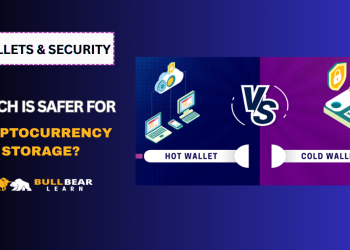
Hot Wallets
Connected to the internet.
Cold Wallets
Stored offline.
Each option has advantages and disadvantages.
What Is a Hot Wallet?
A hot wallet remains connected to the internet.
Examples include:
- Mobile wallets
- Browser wallets
- Desktop wallets
- Exchange wallets
Popular hot wallet examples include:
- MetaMask
- Trust Wallet
- Coinbase Wallet
Advantages:
- Easy access
- Convenient transactions
- Suitable for daily use
Disadvantages:
- Higher security risk
- Potential exposure to malware
- Increased phishing risk
Hot wallets are generally best for smaller amounts and frequent transactions.
What Is a Cold Wallet?
A cold wallet stores credentials offline.
Examples include:
- Hardware wallets
- Air-gapped devices
Popular hardware wallets include:
- Ledger
- Trezor
Advantages:
- Strong security
- Reduced online exposure
- Better long-term storage
Disadvantages:
- Less convenient
- Additional cost
- Requires proper backup management
Cold wallets are commonly recommended for larger holdings.
What Is a Hardware Wallet?
A hardware wallet is a physical device designed to store private keys securely.
It keeps sensitive information isolated from internet-connected devices.
When signing transactions:
- The private key remains protected.
- Transaction approval occurs on the device itself.
For long-term investors, hardware wallets are often considered one of the safest storage solutions available.
What Is a Software Wallet?
A software wallet is an application installed on:
- Smartphones
- Computers
- Browsers
Software wallets are extremely popular because they are easy to use.
Most beginners start with a software wallet before exploring hardware wallets later.
What Is a Seed Phrase?
When creating a wallet, users typically receive a list of words called a:
Seed Phrase
It may contain:
- 12 words
- 18 words
- 24 words
Example:
apple river stone moon ...
The seed phrase acts as the master backup for the wallet.
If a device is lost or damaged, the seed phrase can restore access.
Anyone who obtains the seed phrase can potentially access the wallet.
This makes seed phrase protection extremely important.
How to Keep Your Crypto Wallet Safe
Security should be a top priority.
Never Share Your Private Key
Legitimate services will never ask for your private key.
Protect Your Seed Phrase
Store backups securely and offline.
Enable Two-Factor Authentication
Whenever available, use 2FA.
Verify Website Addresses
Many scams use fake websites designed to steal credentials.
Avoid Suspicious Links
Phishing attacks remain one of the most common crypto threats.
Consider a Hardware Wallet
Long-term investors often use hardware wallets for additional protection.
Common Wallet Mistakes Beginners Make
Leaving Large Amounts on Exchanges
Exchange wallets can be convenient but introduce counterparty risk.
Saving Seed Phrases Online
Cloud storage can create security vulnerabilities.
Falling for Phishing Attacks
Fake wallet websites are common.
Ignoring Security Updates
Wallet software should be kept current.
Rushing Transactions
Cryptocurrency transactions are usually irreversible.
Always verify recipient addresses carefully.
Which Wallet Is Best for Beginners?
There is no perfect wallet for everyone.
Many beginners start with:
Exchange Wallet
Pros:
- Simple setup
- Easy purchasing
- User-friendly
Cons:
- Limited control
As users gain experience, many move toward:
Software Wallet
For greater ownership.
Eventually, some investors use:
Hardware Wallet
For maximum long-term security.
The best wallet depends on:
- Experience level
- Portfolio size
- Security needs
- Usage frequency
How Wallets Connect to DeFi and Web3
Modern crypto wallets do more than store credentials.
Many wallets can connect directly to:
- Decentralized exchanges
- NFT marketplaces
- Lending platforms
- Blockchain games
- Web3 applications
In many ways, wallets function as digital identities within the blockchain ecosystem.
As Web3 adoption grows, wallet usage is expected to expand significantly.
🚀 Looking to Buy Your First Crypto?
Before using a wallet, you’ll typically need to purchase cryptocurrency through an exchange.
Popular beginner-friendly options include:
👉 Binance — https://bullbearlearn.com/go/binance
⚡ OKX — https://bullbearlearn.com/go/okx
🔥 Bybit — https://bullbearlearn.com/go/bybit
After purchasing crypto, consider learning about self-custody and wallet security before transferring large amounts.
Final Thoughts
Crypto wallets are one of the most important tools in the cryptocurrency ecosystem.
They don’t actually store coins. Instead, they provide the keys and credentials required to access digital assets recorded on the blockchain.
Understanding public keys, private keys, seed phrases, and wallet types can dramatically improve both your confidence and security as a crypto investor.
Whether you choose a simple exchange wallet, a software wallet, or a hardware wallet, learning proper wallet management is essential for protecting your assets.
Related Articles
📘 What Is Cryptocurrency? A Beginner’s Guide to Digital Assets
🔗 Blockchain Explained for Beginners
₿ What Is Bitcoin? A Beginner’s Guide to the World’s First Cryptocurrency
⟠ What Is Ethereum? A Beginner’s Guide to the Leading Smart Contract Platform
⚖️ Bitcoin vs Ethereum: What’s the Difference and Which Is Better?
Frequently Asked Questions
What is a crypto wallet?
A crypto wallet is a tool that allows users to access and manage cryptocurrency through cryptographic keys.
Do crypto wallets store cryptocurrency?
No. Cryptocurrency remains on the blockchain. Wallets store the credentials needed to access those assets.
What is the safest type of crypto wallet?
Hardware wallets are generally considered among the safest options for long-term storage.
What happens if I lose my wallet?
If you still have your seed phrase, you can usually restore access. Without it, recovery may be impossible.
Should beginners use a hardware wallet?
Beginners often start with software or exchange wallets and later upgrade to hardware wallets as their holdings grow.