
• About
  • Crypto Exchange
Bullbearlearn
Advertisement
  • Home
  • Learn Forex
    • Forex Basic
    • Trading Strategies
    • Price Action
  • Learn Crypto
  • Broker Reviews
  • Tools FREE
  • Blog
Start
No Result
View All Result
Bullbearlearn
No Result
View All Result
Home Trading Strategies Market Condition

High Volatility Market Trading Strategies: How to Trade Fast Markets Safely

Baby Bear by Baby Bear
March 9, 2026
in Market Condition, Trading Strategies
57 1
0
High Volatility Market Trading Strategies

High Volatility Market Trading Strategies

189
SHARES
1.5k
VIEWS
Share on FacebookShare on Twitter

High volatility markets attract traders for one simple reason: opportunity.
Large price movements can generate significant profits in a short period of time.

However, volatility is a double-edged sword.
The same conditions that create opportunity also amplify risk, emotional pressure, and execution errors.

This article explains how high volatility markets behave, why many traders lose money during volatile periods, and which trading strategies are best suited for fast, unstable market environments.


Table of Contents

Toggle
  • 1. What Is a High Volatility Market?
    • Key characteristics of high volatility markets:
  • 2. Why High Volatility Markets Are Dangerous for Traders
  • 3. Strategy Selection in High Volatility Conditions
    • 3.1 Breakout Strategies with Confirmation
    • 3.2 Momentum-Based Short-Term Strategies
    • 3.3 Volatility Compression–Expansion Strategies
    • 3.4 Event-Aware Trading Strategies
  • 4. How to Confirm a High Volatility Market
    • Confirmation checklist:
  • 5. Risk Management in High Volatility Markets
    • 5.1 Position Sizing Adjustments
    • 5.2 Stop-Loss Placement
    • 5.3 Trade Frequency Control
  • 6. Common Mistakes in High Volatility Markets
    • 6.1 Chasing Price
    • 6.2 Using Normal Risk Parameters
    • 6.3 Ignoring Market Context
  • 7. High Volatility vs Other Market Conditions
  • 8. Psychological Challenges of Volatile Markets
  • 9. Final Thoughts

1. What Is a High Volatility Market?

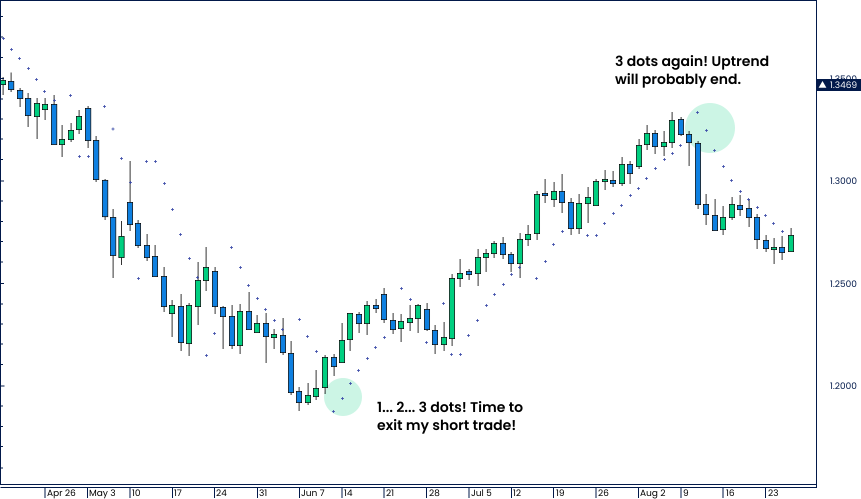
A high volatility market is defined by rapid price movement and wide price swings over a short time frame.
https://blueberrymarkets.com/media/soujg05v/top-forex-volatility-indicators-graphic-05.svg
https://www.strike.money/wp-content/uploads/2025/11/23-Bullish-Candlestick-Patterns-that-Every-Trader-Should-Know.png
https://www.researchgate.net/publication/360254172/figure/fig5/AS%3A1150036834553856%401651201556112/Graph-showing-the-volatility-of-different-prices.ppm

Key characteristics of high volatility markets:

  • Large candle ranges

  • Fast directional changes

  • Expanded trading ranges

  • Increased slippage and spreads

  • Emotional market behavior

High volatility often appears during:

  • Major economic news releases

  • Unexpected geopolitical events

  • Market open or close

  • Trend transitions or breakdowns


2. Why High Volatility Markets Are Dangerous for Traders

Many traders confuse volatility with direction.

In reality:

  • High volatility does not guarantee a trend

  • Price can move aggressively in both directions

  • Stop-loss levels are hit more frequently

The most common losses in volatile markets come from normal strategies applied without adjustment.


3. Strategy Selection in High Volatility Conditions

High volatility markets require adaptation, not abandonment of strategy.

Below are strategy types that tend to perform better during volatile conditions.


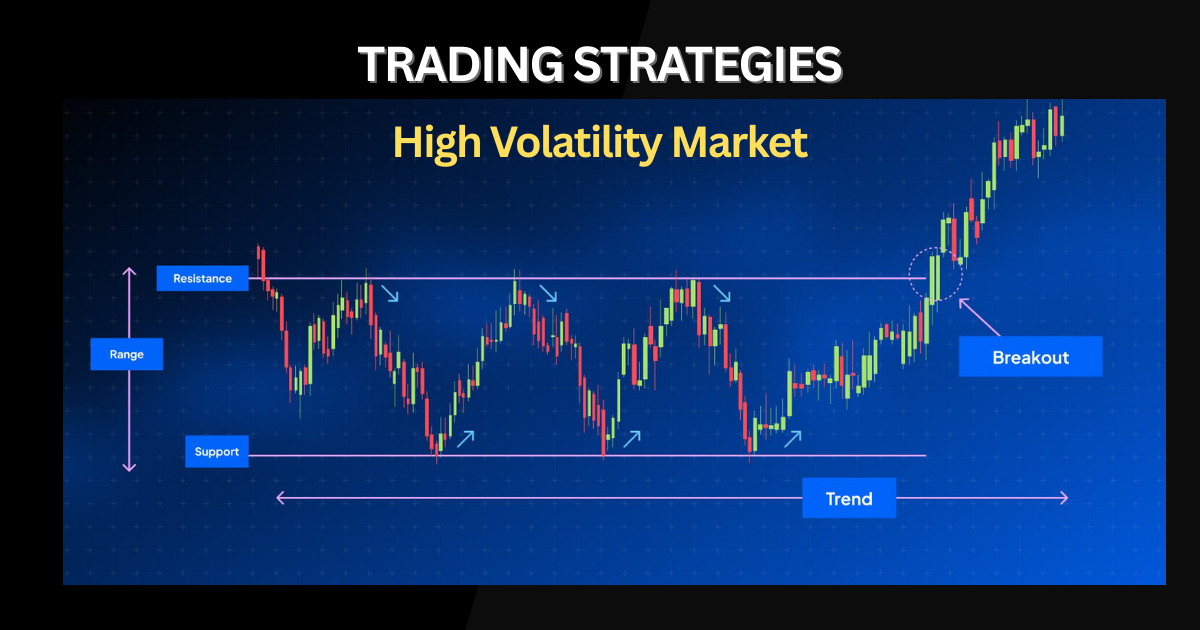
3.1 Breakout Strategies with Confirmation

Volatility often fuels strong breakouts—but also false ones.

Effective breakout strategies in volatile markets:

  • Wait for confirmation, not initial spikes

  • Focus on volatility expansion after consolidation

  • Avoid chasing the first impulse

Breakouts without structure during volatility are often traps.


3.2 Momentum-Based Short-Term Strategies

High volatility supports short-term momentum bursts.

These strategies focus on:

  • Capturing a portion of rapid movement

  • Faster entries and exits

  • Reduced holding time

The goal is participation, not prediction.


3.3 Volatility Compression–Expansion Strategies

Markets alternate between low and high volatility phases.

Compression–expansion strategies aim to:

  • Identify periods of reduced volatility

  • Trade the expansion that follows

  • Avoid random volatility spikes

This approach helps traders avoid entering during chaotic price movement.


3.4 Event-Aware Trading Strategies

Not all volatility is equal.

Event-driven volatility behaves differently from organic market movement.

Successful traders:

  • Know when volatility is news-driven

  • Reduce exposure during unpredictable spikes

  • Trade post-event reactions rather than the event itself


4. How to Confirm a High Volatility Market

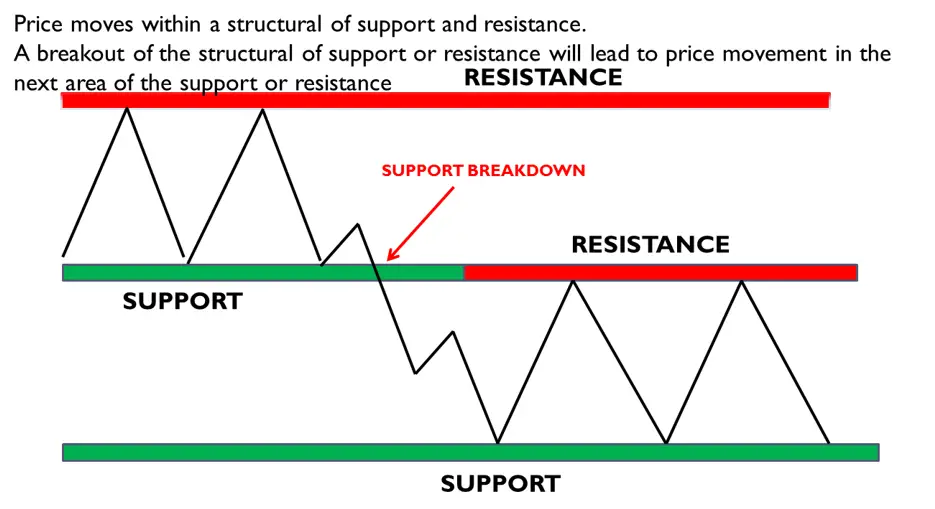
Before adjusting strategies, traders must confirm that volatility is genuinely elevated.
https://dotnettutorials.net/wp-content/uploads/2020/08/word-image-105.png

Confirmation checklist:

  • Candle size significantly larger than recent average

  • Increased speed of price movement

  • Wider price swings

  • Frequent stop hunts

  • Increased market noise

If volatility increases without structure, caution is required.


5. Risk Management in High Volatility Markets

Risk management is non-negotiable in volatile environments.

5.1 Position Sizing Adjustments

High volatility requires:

  • Smaller position sizes

  • Wider stops

  • Lower leverage

Maintaining consistent risk per trade is more important than capturing large moves.


5.2 Stop-Loss Placement

Tight stops rarely survive high volatility.

Effective approaches include:

  • Structural stops instead of fixed distances

  • Accepting wider invalidation zones

  • Avoiding over-optimization


5.3 Trade Frequency Control

More movement does not mean more trades.

High volatility increases emotional decision-making, which leads to overtrading.

Professional traders often trade less, not more, during volatile periods.


6. Common Mistakes in High Volatility Markets

6.1 Chasing Price

Rapid movement creates urgency.

Chasing entries leads to:

  • Poor execution

  • Slippage

  • Unfavorable risk-to-reward ratios


6.2 Using Normal Risk Parameters

Applying standard risk rules to abnormal conditions often results in losses.

Volatility demands flexibility, not rigidity.


6.3 Ignoring Market Context

Volatility without context is noise.

Understanding whether volatility is:

  • News-driven

  • Trend-driven

  • Transition-driven
    makes a critical difference.


7. High Volatility vs Other Market Conditions

Market Condition Strategy Focus
Trending Continuation
Ranging Mean reversion
High Volatility Adapted momentum & breakout
Choppy Avoid trading

Volatility alone should never be the sole reason to enter a trade.


8. Psychological Challenges of Volatile Markets

High volatility increases:

  • Fear of missing out

  • Emotional swings

  • Decision fatigue

Traders must accept that not trading is sometimes the most profitable decision.

Discipline matters more than speed.


9. Final Thoughts

High volatility markets offer opportunity—but only to traders who respect risk.

The objective is not to exploit every move, but to survive volatility consistently.

If your strategy does not adapt to volatility, volatility will eventually break your strategy.

Share76Tweet47
Previous Post

Ranging Market Trading Strategies: How to Trade Sideways Markets

Next Post

Psychology #1: Trading Psychology Basics: Why Most Traders Fail Despite Good Strategies

Related Posts

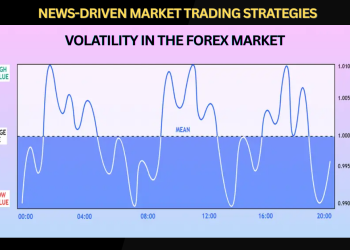
News-Driven Market Trading Strategies

News-Driven Market Trading Strategies: How to Trade Economic News Safely

by Baby Bull
March 12, 2026
0

Financial markets are heavily influenced by economic news and major announcements. Events such as central bank decisions, inflation reports, employment...

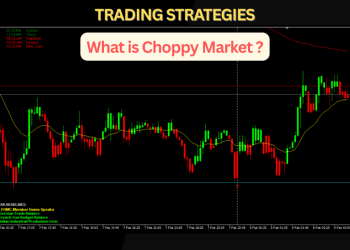
What is Choppy Market

Choppy Market Trading Strategies: How to Trade or Avoid Unstable Markets

by Baby Bull
March 12, 2026
0

Not every market offers clear opportunities. Sometimes price moves in a stable trend, while other times it moves within predictable...

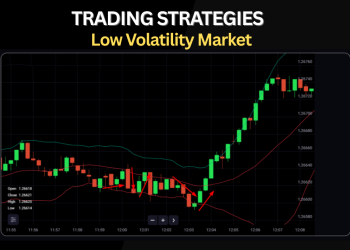
Low Volatility Market Trading

Low Volatility Market Trading Strategies: Best Ways to Trade Sideways Markets

by Baby Bull
March 7, 2026
0

Financial markets do not always move in strong trends. In many situations, the market enters a phase of low volatility,...

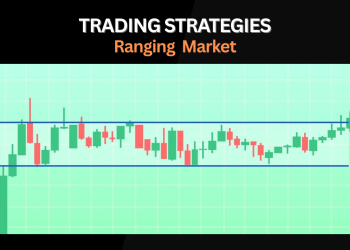
Ranging Market Trading Strategies

Ranging Market Trading Strategies: How to Trade Sideways Markets

by Baby Bear
March 9, 2026
0

Many traders struggle with ranging markets.Strategies that perform well in trending environments often fail completely when price moves sideways. Ranging...

Trending Market Trading Strategies

Trending Market Trading Strategies: How to Trade Strong Market Trends

by Baby Bear
March 9, 2026
0

Trending markets are often described as the most profitable trading environments. When price moves consistently in one direction, traders can...

Load More
  • Trending
  • Comments
  • Latest
Market Structure in Price Action

Market Structure in Price Action: Higher Highs, Lower Lows Explained

February 27, 2026
exness review

Exness Review 2026: Is It Safe, Legit & Worth It for Beginners?

March 23, 2026
Discipline & Consistency in Trading

Psychology #3: Discipline & Consistency in Trading: How Professionals Actually Follow Rules

March 21, 2026
trading psychology basics

Psychology #1: Trading Psychology Basics: Why Most Traders Fail Despite Good Strategies

March 20, 2026
breakout forex strategy

Strategy #2: Breakout & False Breakout – How Smart Money Traps Retail Traders

0
price action trading strategy

Strategy #1: Price Action Trading Strategy: A Complete Framework for Consistent Decisions

0
trading mindset

Psychology #6: Process-Based Thinking vs Outcome-Based Thinking in Trading

0
trading journal

Psychology #5: Trading Routine, Journaling & Mental Process: How Professionals Build Consistency

0
breakout forex strategy

Strategy #2: Breakout & False Breakout – How Smart Money Traps Retail Traders

March 23, 2026
price action trading strategy

Strategy #1: Price Action Trading Strategy: A Complete Framework for Consistent Decisions

March 23, 2026
trading mindset

Psychology #6: Process-Based Thinking vs Outcome-Based Thinking in Trading

March 21, 2026
trading journal

Psychology #5: Trading Routine, Journaling & Mental Process: How Professionals Build Consistency

March 22, 2026

BullBearLearn.com is an independent educational website on Forex and financial trading, offering knowledge, strategies, and tools to help traders understand and navigate markets—whether bullish or bearish.

Categories
  • Broker Reviews
  • Core Concepts
  • Core Strategies
  • Crypto Exchange
  • Execution
  • Forex Basic
  • Learn Forex
  • Market Condition
  • Price Action
  • Psychology
  • Risk Management
  • Strategy
  • Tools
  • Trading Strategies
Tags
Beginner Binance Review breakout Broker Reviews Bybit review calculator Core Concepts cost crypto exchange Execution Exness Review fees forex basic guide Leverage lot Margin mistake OKX review pip position size price action Psychology risk risk reward Spread swap Swing XM Review xtb review

Disclaimer: Content on BullBearLearn.com is for educational purposes only and not intended as financial advice. Trading involves risk.​

  • About
  • Privacy Policy
  • Terms of Service
  • Disclaimer
  • Cookie Policy
  • Affiliate Disclosure
  • Contact Us

© 2025 BullBearLearn.com — Learn to Trade, Bull or Bear.

Welcome Back!

Login to your account below

Forgotten Password?

Retrieve your password

Please enter your username or email address to reset your password.

Log In

Session expired

Please log in again. The login page will open in a new tab. After logging in you can close it and return to this page.

Add New Playlist

>

Table of Contents

×
  • 1. What Is a High Volatility Market?
    • Key characteristics of high volatility markets:
  • 2. Why High Volatility Markets Are Dangerous for Traders
  • 3. Strategy Selection in High Volatility Conditions
    • 3.1 Breakout Strategies with Confirmation
    • 3.2 Momentum-Based Short-Term Strategies
    • 3.3 Volatility Compression–Expansion Strategies
    • 3.4 Event-Aware Trading Strategies
  • 4. How to Confirm a High Volatility Market
    • Confirmation checklist:
  • 5. Risk Management in High Volatility Markets
    • 5.1 Position Sizing Adjustments
    • 5.2 Stop-Loss Placement
    • 5.3 Trade Frequency Control
  • 6. Common Mistakes in High Volatility Markets
    • 6.1 Chasing Price
    • 6.2 Using Normal Risk Parameters
    • 6.3 Ignoring Market Context
  • 7. High Volatility vs Other Market Conditions
  • 8. Psychological Challenges of Volatile Markets
  • 9. Final Thoughts
→ Index
No Result
View All Result
  • Home
  • Learn Forex
    • Forex Basic
    • Trading Strategies
    • Price Action
  • Learn Crypto
  • Broker Reviews
  • Tools FREE
  • Blog
START

© 2025 BullBearLearn.com — Learn to Trade, Bull or Bear.