

Forex Beginner Course – Lesson 3 of 20
If you want to succeed in forex trading, you must understand five core concepts: pip, lot, spread, margin, and leverage. These building blocks determine how profits are calculated, how risks arise, and how your trading account behaves.
Yet most beginners skip them — and then wonder why they blow their account in a week.
This guide breaks everything down in a simple, practical, beginner-friendly way. No complicated jargon. No recycled content. Just clear explanations with examples you can immediately apply.
1. What Is a Pip? (The Smallest Price Movement in Forex)
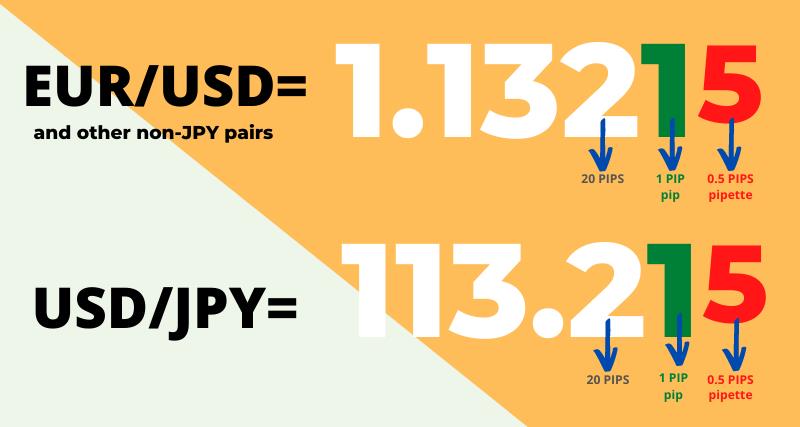
A pip stands for “percentage in point” and represents the smallest standardized change in price in forex.
1.1 Standard Pip Rules
-
Most forex pairs: 1 pip = 0.0001
-
For JPY pairs: 1 pip = 0.01
1.2 Why Pips Matter
Pips determine:
-
How you measure volatility
-
How you calculate profit & loss
-
How you size your trades correctly
1.3 Pip Value Formula
Example (EUR/USD, 1 Standard Lot):
When EUR/USD moves 10 pips, your profit ≈ $92.20.
2. What Is a Lot? (Your Trade Size)
A lot defines how much of a currency you are buying or selling.
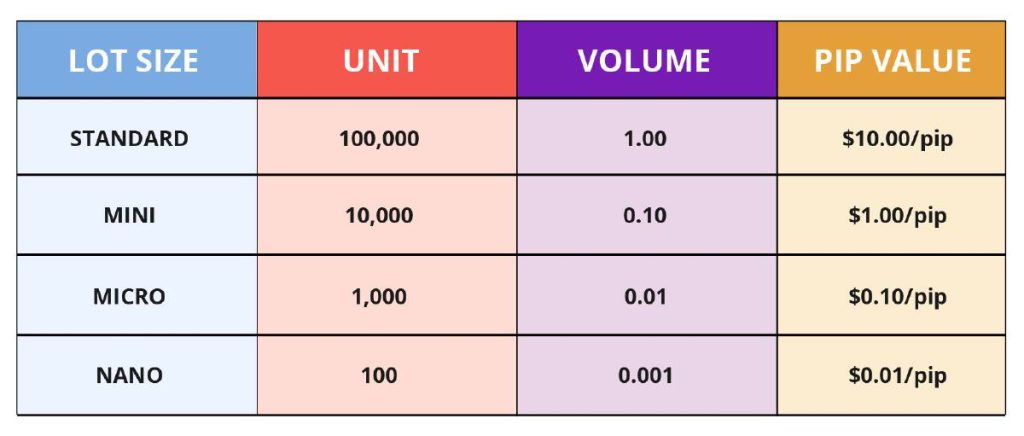
2.1 Types of Lots
2.2 Why Lot Size Matters
-
It directly affects risk
-
Determines pip value
-
Influences margin requirement
-
Controls account drawdown
A beginner using a large lot is like driving a Ferrari on ice—fast, exciting, but guaranteed to crash.
2.3 How Lot Size Impacts Pip Value
Example on EURUSD:
| Lot Size | Pip Value |
|---|---|
| 1.00 lot | ~$10/pip |
| 0.10 lot | ~$1/pip |
| 0.01 lot | ~$0.10/pip |
This is why new traders should start with micro lots (0.01).
3. What Is the Spread? (Broker’s Hidden Trading Cost)
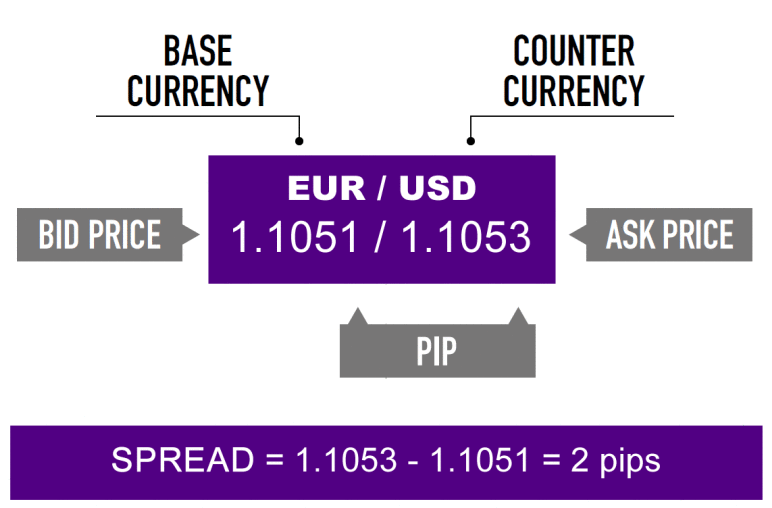
The spread is the difference between the Bid price and Ask price.
You pay this cost every time you open a trade.
Example: EUR/USD
-
Bid: 1.1051
-
Ask: 1.1053
-
Spread: 2 pips
This cost is immediately deducted from your trade.
3.1 Types of Spreads
-
Fixed Spread: stable, good for low volatility
-
Variable Spread: tight during normal market conditions, wider during news
ECN brokers typically offer very low spreads, but charge commission.
4. What Is Margin? (Your Required Collateral)
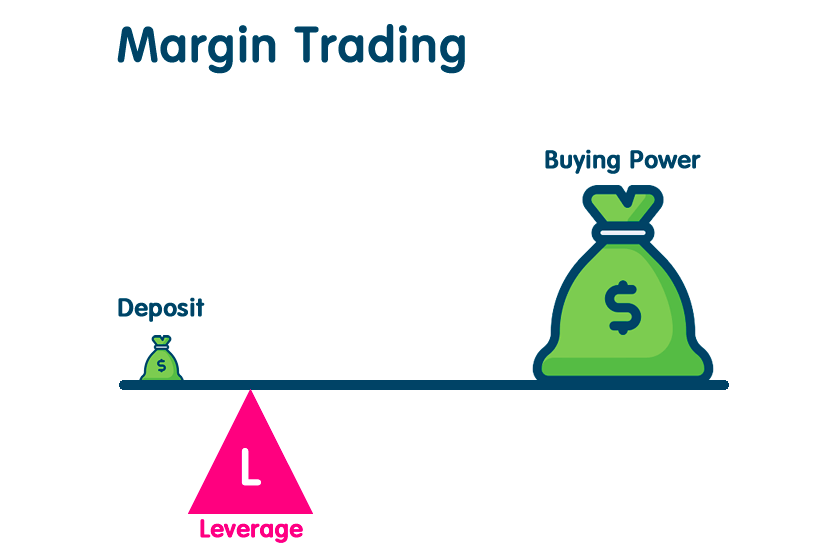
Margin is the amount of money your broker locks as collateral to open a position.
It is NOT a fee.
You get it back when your position closes — unless you take a loss.
4.1 Margin Formula
Margin = (Trade Size / Leverage)
Example:
-
Leverage: 1:100
-
Position size: 1 Standard Lot = 100,000 units
4.2 Free Margin, Used Margin & Margin Level
| Term | Meaning |
|---|---|
| Used Margin | Margin locked for open trades |
| Free Margin | Available for new trades |
| Margin Level | (Equity / Used Margin) × 100% |
When your margin level drops too low, you may face:
Margin Call
Broker warns your equity is critically low.
Stop-Out
Broker automatically closes positions to protect you from going negative.
5. What Is Leverage? (The Power & the Danger)
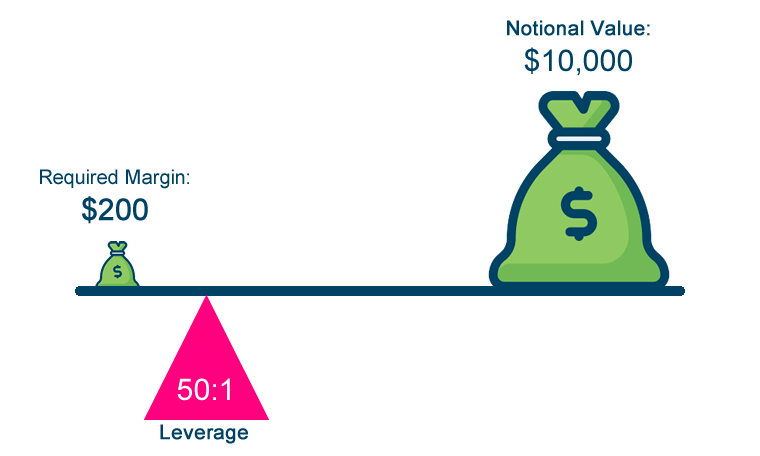
Leverage allows you to control large positions with small capital.
Example
With 1:100 leverage:
-
You deposit $100
-
You can trade $10,000
5.1 Benefits of Leverage
-
Allows small accounts to trade large positions
-
Increases potential returns
-
Enables flexible strategy building
5.2 Risks of Leverage
-
Magnifies losses
-
Causes account blowouts
-
Increases emotional stress while trading
High leverage can be powerful — but deadly if misused.
6. How These Five Concepts Connect (Simple Map)
| Concept | Controls | Impact |
|---|---|---|
| Pip | movement | profit/loss calculation |
| Lot | size | pip value & risk |
| Spread | entry cost | upfront trading cost |
| Margin | collateral | ability to open positions |
| Leverage | exposure | risk multiplier |
Together, they determine:
-
How much you can trade
-
How much you can win
-
How much you can lose
Understanding them is the foundation of serious trading.
7. Putting It All Together: Real Trade Example
✔Trade Setup
-
Pair: GBP/USD
-
Lot Size: 0.10 (Mini Lot)
-
Spread: 1.5 pips
-
Leverage: 1:100
-
Stop Loss: 20 pips
✔Step 1 — Pip Value
Mini lot: ~$1 per pip
20-pip SL ≈ $20 risk
✔Step 2 — Margin Requirement
Mini lot = 10,000 units
✔Step 3 — Spread Cost
1.5-pip spread × $1/pip = $1.50 cost upfront
✔Step 4 — Profit Target
Say you aim for 30 pips
Profit ≈ $30
✔Result
Risk/Reward = 1:1.5 — a solid beginner-friendly setup.
8. Common Mistakes Beginners Make
✔ Using large lot sizes
Huge pip value = fast losses.
✔ Using excessive leverage
Most blown accounts use 1:500 or 1:1000 leverage.
✔ Ignoring spreads
Trading during news = extreme spread widening.
✔ Not understanding margin
Margin calls happen because traders over-open positions.
Conclusion
Pip, lot, spread, margin, and leverage are the DNA of forex trading.
Master these five concepts and you immediately gain an advantage over 90% of beginners.
You will finally understand:
-
How much you risk
-
How much you can earn
-
Why brokers liquidate your trades
-
How lot size affects every calculation
-
How leverage can either help or destroy your account
If you want to trade forex safely and professionally, these fundamentals are non-negotiable.