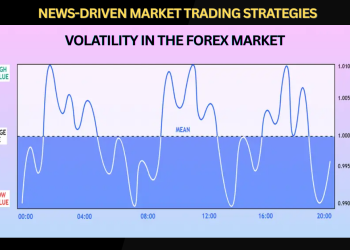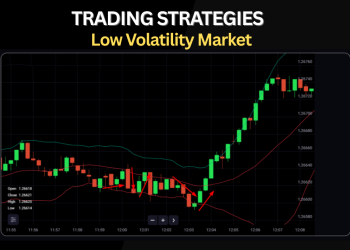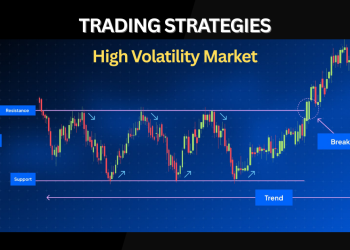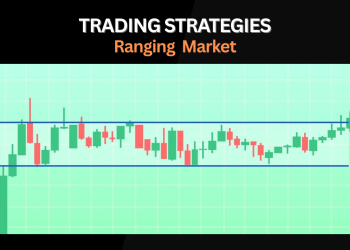


Not every market offers clear opportunities. Sometimes price moves in a stable trend, while other times it moves within predictable ranges. However, there is another market environment that many traders struggle with: the choppy market.
A choppy market is characterized by erratic price movements, frequent reversals, and a lack of clear direction. In these conditions, traders often experience repeated losses because strategies designed for trending or ranging markets stop working effectively.
Many beginners continue trading aggressively during choppy periods, only to see their accounts slowly decline due to false signals and whipsaw movements.
Understanding choppy market trading strategies is essential for protecting capital and improving long-term trading performance. In many cases, the most profitable decision during choppy conditions is not trading at all.
This guide explains how to identify choppy markets, why they are dangerous, and the best strategies traders can use to manage these challenging conditions.
What Is a Choppy Market?
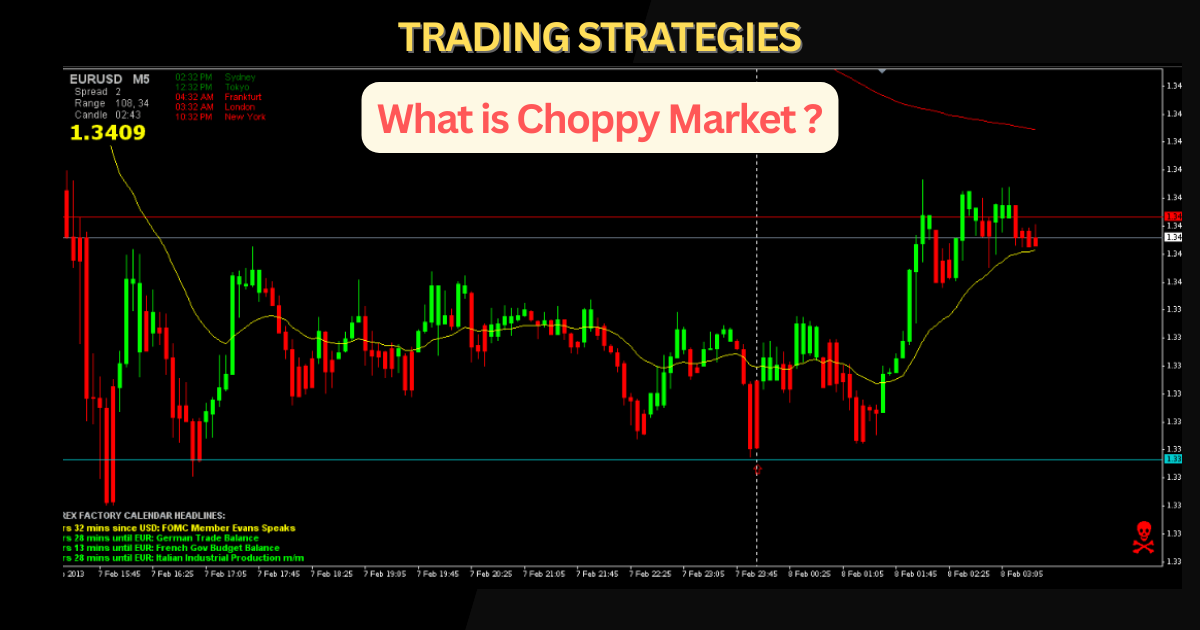
A choppy market occurs when price fluctuates rapidly in both directions without forming a clear trend or stable range.
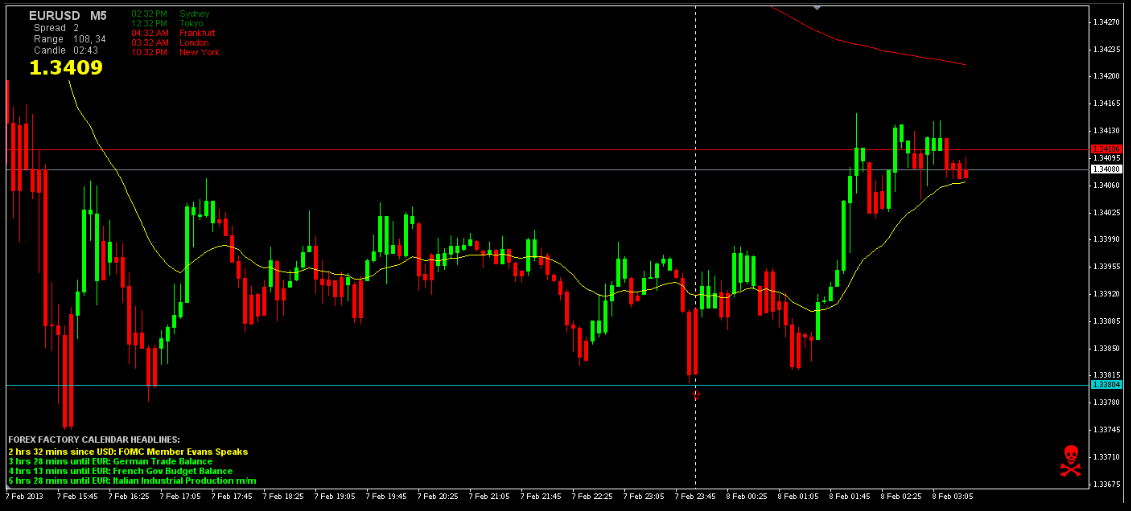
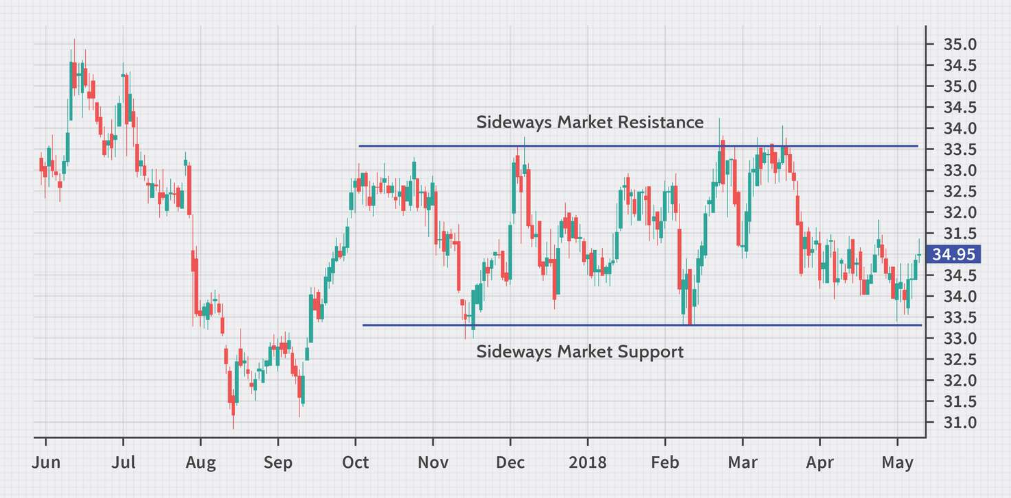
Instead of moving smoothly upward or downward, price repeatedly reverses direction within short periods.
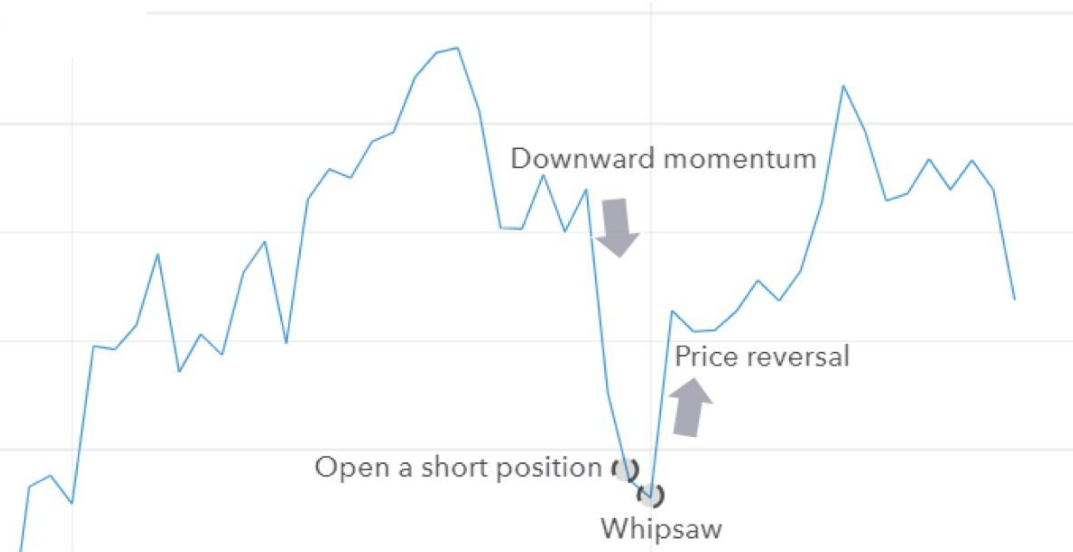
This environment often produces whipsaws, which occur when price moves briefly in one direction before reversing quickly and triggering stop losses.
Key characteristics of choppy markets
Common signs include:
-
rapid price reversals
-
frequent false breakouts
-
overlapping candlestick structures
-
weak directional momentum
-
inconsistent support and resistance behavior
These conditions make it difficult for traders to apply traditional strategies effectively.
Why Choppy Markets Are Difficult to Trade
Choppy markets create problems for many trading systems because most strategies rely on predictable price behavior.
Trend strategies stop working
Trend-following systems depend on sustained directional movement. In a choppy market, trends rarely develop.
Breakout strategies fail frequently
Price may break through support or resistance levels but quickly reverse, creating false signals.
Indicators produce conflicting signals
Technical indicators may generate rapid buy and sell signals, making it difficult to determine the correct trade direction.
Because of these factors, traders often experience multiple small losses in a short period of time.
How to Identify a Choppy Market
Recognizing choppy market conditions early is one of the most valuable skills a trader can develop.
1. Overlapping candlesticks
When candlesticks frequently overlap, it suggests that buyers and sellers are fighting for control without clear momentum.
2. Frequent price reversals
If price repeatedly moves up and down within short periods, the market may be unstable.
3. Weak trend structure
A lack of higher highs and higher lows (or lower highs and lower lows) indicates that a trend is not forming.
4. False breakouts
Support and resistance levels may be broken temporarily but fail to produce sustained moves.
When these signals appear together, the market is likely entering a choppy phase.
Best Choppy Market Trading Strategies
Although choppy markets are challenging, traders can still adapt their strategies to manage these conditions.
Reduce Trading Frequency
One of the simplest and most effective responses to choppy markets is trading less frequently.
Professional traders often reduce their activity during unstable periods because the probability of success decreases.
Benefits of reduced trading include:
-
lower exposure to unpredictable price movements
-
improved emotional discipline
-
preservation of trading capital
Sometimes the most profitable strategy is waiting for better market conditions.
Scalping Strategy
Short-term scalping strategies may perform better in choppy environments than longer-term strategies.
Scalping focuses on capturing small price movements within short timeframes.
Typical characteristics include:
-
trading on 1-minute or 5-minute charts
-
small profit targets
-
quick trade exits
Because scalping does not rely on long trends, it can sometimes adapt better to unstable price action.
However, scalping requires fast decision-making and strict risk control.
Micro Support and Resistance Trading
Even within choppy markets, price may still respect very short-term support and resistance zones.
Traders can attempt to trade small price movements between these levels.
A common approach includes:
-
buying near short-term support
-
selling near short-term resistance
-
exiting trades quickly before reversals occur
This method requires careful monitoring because levels can break unexpectedly.
Volatility Filtering Strategy
Another effective technique is to avoid trading when volatility becomes unpredictable.
Traders can use volatility indicators such as:
-
Average True Range (ATR)
-
Bollinger Bands
-
volatility indexes
For example, traders may avoid entering trades when volatility spikes suddenly or when price begins moving erratically.
Using volatility filters can prevent many unnecessary losses.
Risk Management in Choppy Markets
Risk management becomes even more important during unstable market conditions.
Professional traders often adjust their trading rules when the market becomes choppy.
Reduce position size
Lowering position size helps limit potential losses.
Use wider stop losses carefully
Very tight stops may be triggered frequently during rapid price swings.
Limit the number of trades
Overtrading during unstable markets is a common mistake.
Maintain discipline
Sticking to a clear trading plan is essential when market behavior becomes unpredictable.
These adjustments help traders protect their accounts during difficult market phases.
Common Mistakes Traders Make
Many trading losses occur because traders do not recognize choppy conditions early enough.
Overtrading
Choppy markets generate many signals, which can tempt traders to enter too many positions.
Chasing breakouts
Breakouts often fail in unstable markets, leading to repeated losses.
Ignoring market context
Relying only on indicators without understanding market structure can be dangerous.
Revenge trading
After several losses, traders may attempt to recover quickly, often increasing risk unnecessarily.
Avoiding these mistakes is essential for maintaining long-term profitability.
When It Is Best to Stay Out of the Market
Experienced traders understand that not trading is sometimes the best decision.
There are situations where avoiding the market is the safest option.
Examples include:
-
extremely low liquidity periods
-
major news events causing unpredictable reactions
-
markets with no clear structure
Waiting for clearer conditions allows traders to preserve capital and maintain emotional discipline.
Conclusion
Choppy markets are one of the most challenging environments traders encounter. The lack of clear direction, frequent reversals, and false breakouts can quickly lead to losses if traders fail to adapt their strategies.
Learning to recognize choppy conditions early is a crucial trading skill. By reducing trade frequency, applying short-term strategies, and focusing on strict risk management, traders can minimize losses during unstable market phases.
In many cases, the smartest approach is patience. Markets constantly move through different phases, and waiting for better conditions often leads to higher-quality trading opportunities.
Ultimately, successful traders understand that protecting capital during difficult market environments is just as important as profiting during favorable ones.