

1. What Is a Breakout Trading Strategy?
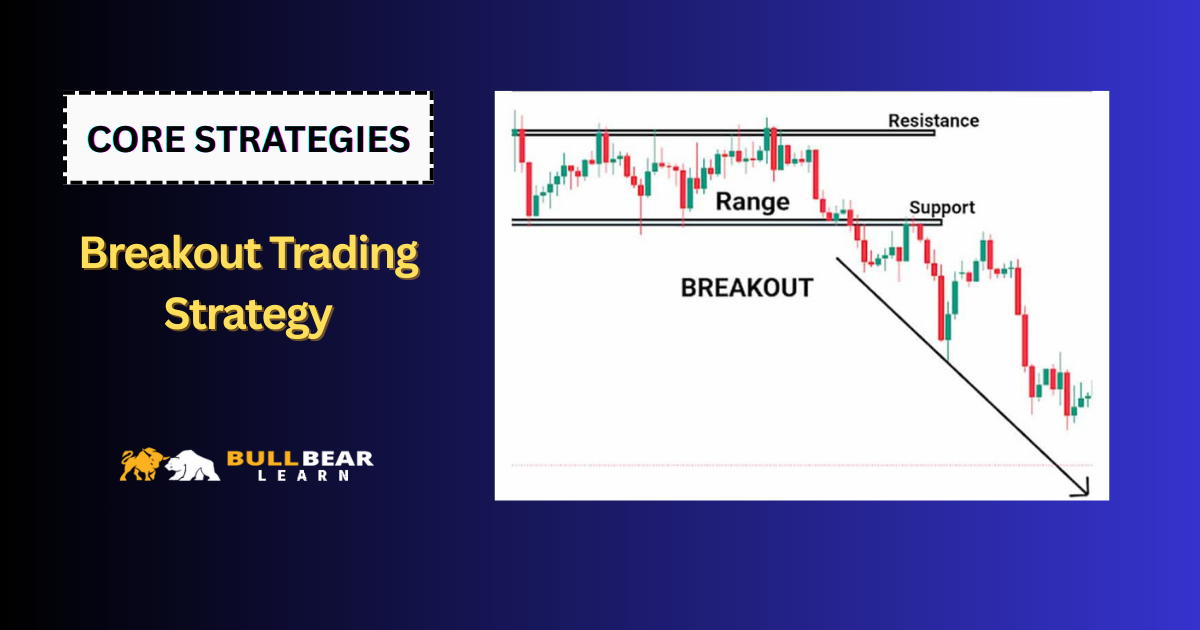
A breakout trading strategy is designed to capture strong price movements that occur when the market breaks out of a well-defined range, structure, or key level.
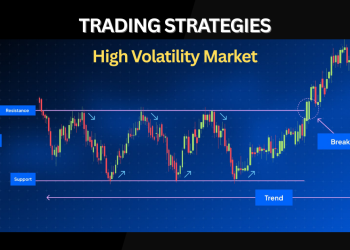
A breakout happens when price moves beyond an established boundary—such as support, resistance, consolidation zones, or volatility compression—and continues moving with momentum.
The goal of breakout trading is not to predict, but to react when the market clearly shows intent.
2. Why Breakout Trading Works
Markets do not move randomly. They alternate between:
-
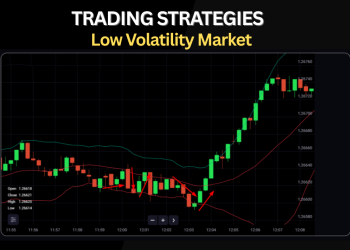
Consolidation (low volatility)
-
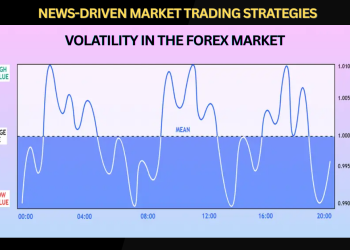
Expansion (high volatility)
Breakout strategies focus on the expansion phase, where:
-
Orders accumulate
-
Volatility increases
-
Momentum traders enter
-
Stops are triggered
When executed correctly, breakout trading offers:
-
Fast price movement
-
Clear invalidation levels
-
Favorable risk–reward potential
3. Who Should Use Breakout Trading?
Breakout trading is suitable for traders who:
-
Prefer momentum-based strategies
-
Can execute decisively
-
Accept fast-moving price action
-
Trade during high-liquidity sessions
It is not ideal for traders who:
-
Hesitate during execution
-
Chase price emotionally
-
Trade without defined risk rules
4. Types of Breakouts
Not all breakouts are the same. Understanding breakout categories helps avoid false signals.
1. Range Breakout
Price breaks out of a sideways consolidation zone.
2. Structure Breakout
Price breaks a key market structure such as a previous high or low.
3. Volatility Breakout
Price expands sharply after a period of low volatility.
4. Session Breakout
Price breaks key levels during major trading session opens (London or New York).
Each breakout type requires context, not blind execution.
5. The Biggest Problem: False Breakouts
False breakouts are the main reason traders lose money with this strategy.
Common causes:
-
Trading low-volume periods
-
Entering without confirmation
-
Ignoring higher-timeframe context
-
Chasing price after expansion
A professional breakout trading strategy focuses more on filtering bad breakouts than finding more trades.
6. Core Structure of a Professional Breakout Trading Strategy
A robust breakout strategy includes the following components:
1. Market Context
-
Identify consolidation or compression
-
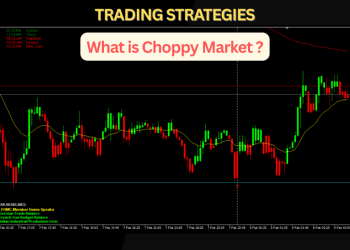
Avoid random or choppy markets
-
Confirm higher-timeframe bias
2. Breakout Level
-
Clearly defined support/resistance
-
Multiple price reactions at the level
-
Visible to most market participants
3. Confirmation Criteria
-
Strong candle close beyond the level
-
Increased volatility or momentum
-
No immediate rejection
4. Entry Method
-
Break-and-close entry
-
Breakout + retest entry (safer)
-
Avoid mid-candle entries
5. Risk Management
-
Predefined stop-loss
-
Fixed percentage risk
-
No revenge trades
7. Example: Forex Breakout Trading Strategy (Framework)
This is a conceptual framework, not a signal-based system.
Market:
-
EUR/USD or GBP/USD
Timeframes:
-
Structure: H1
-
Execution: M15
-
Entry refinement: M5
Conditions:
-
Clear consolidation for at least 10–20 candles
-
Price respecting support and resistance
-
Trade only London or New York session
Entry:
-
Enter after a confirmed breakout candle close
-
Prefer retest entry for reduced risk
Stop-Loss:
-
Below the breakout level or consolidation range
Take-Profit:
-
Minimum Risk–Reward: 1:2
-
Trail partial profits if momentum continues
8. Risk Management in Breakout Trading
Breakout trades can fail quickly. Risk control is non-negotiable.
Best Practices:
-
Risk per trade: 0.5%–1%
-
Maximum 1–2 breakout attempts per session
-
Stop trading after consecutive losses
-
Never widen stop-loss after entry
The strength of breakout trading lies in small losses and large wins.
9. Breakout Trading vs Pullback Trading
| Aspect | Breakout Trading | Pullback Trading |
|---|---|---|
| Entry Timing | Aggressive | Conservative |
| Risk | Higher | Lower |
| Win Rate | Lower | Higher |
| Reward | High | Moderate |
Breakout trading prioritizes momentum, while pullback trading prioritizes confirmation.
10. Common Breakout Trading Mistakes
Avoid these critical errors:
-
Trading every breakout you see
-
Ignoring time-of-day
-
Entering without confirmation
-
Overleveraging due to excitement
-
Trading news without experience
Professional traders trade fewer breakouts, not more.
11. Psychology of Breakout Trading
Breakout trading requires:
-
Confidence in execution
-
Acceptance of false signals
-
Discipline to wait for valid setups
Hesitation often leads to:
-
Late entries
-
Poor risk–reward
-
Emotional decisions
A clear checklist eliminates hesitation.
12. Is Breakout Trading Profitable?
Yes—but only when:
-
Combined with strict risk rules
-
Traded during high-liquidity sessions
-
Supported by market context
-
Executed consistently
Breakout trading is not about speed, it is about precision and timing.
13. Final Thoughts
A successful breakout trading strategy is not about predicting explosions—it is about being prepared when they happen.
If you chase price, you lose.
If you wait for confirmation, you survive.
If you manage risk, you last long enough to win.