

Many traders struggle with ranging markets.
Strategies that perform well in trending environments often fail completely when price moves sideways.
Ranging markets are not random. They follow repeatable behaviors that can be traded effectively—if the right strategy is applied.
This guide explains how ranging markets work, why most traders lose money in them, and which trading strategies are best suited for range-bound conditions.
1. What Is a Ranging Market?
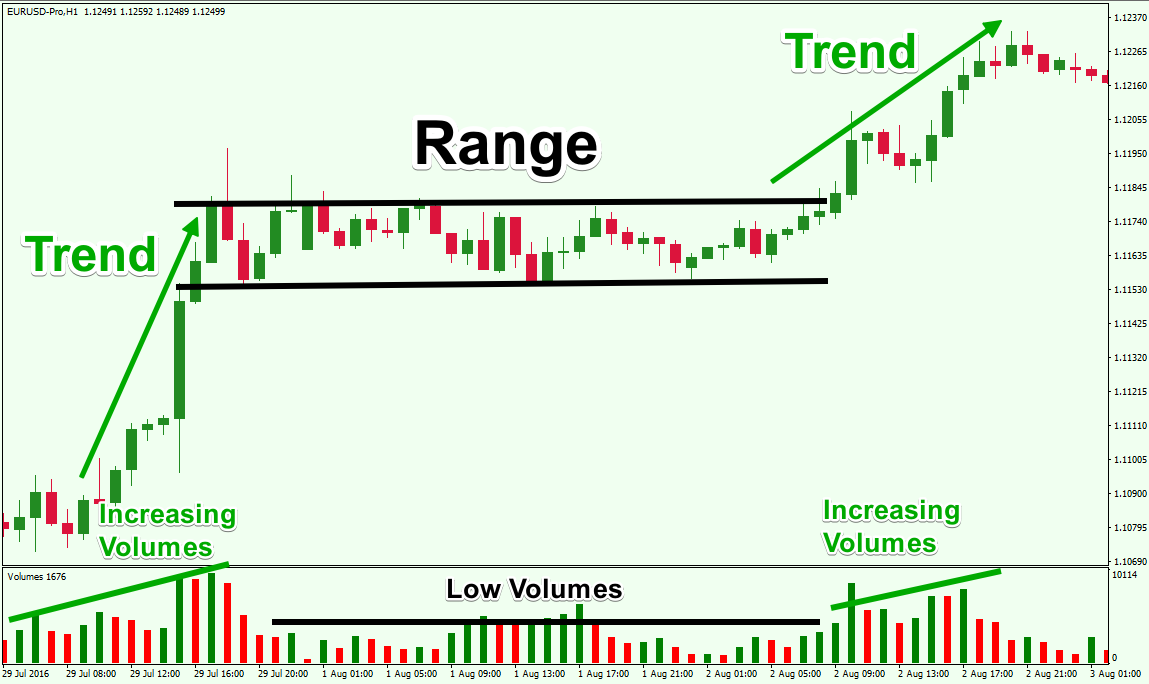
A ranging market occurs when price moves sideways between clearly defined support and resistance levels without forming a sustained trend.

Key characteristics of a ranging market:
-
No higher highs or lower lows
-
Price respects horizontal boundaries
-
Repeated rejection at support and resistance
-
Breakouts frequently fail
-
Momentum alternates between buyers and sellers
Ranging markets are common, especially during low-volume periods or between major macro events.
2. Why Ranging Markets Trap Most Traders
Most trading strategies are designed for momentum.
In ranging markets:
-
Trends fail quickly
-
Breakouts reverse
-
Indicators generate conflicting signals
This causes traders to:
-
Overtrade
-
Chase false moves
-
Accumulate small losses repeatedly
Understanding that the market is ranging is the first step toward adapting effectively.
3. Best Trading Strategies for Ranging Markets
Ranging markets favor mean reversion, not continuation.
Below are the most effective strategy categories for range-bound conditions.
3.1 Range Trading Strategies
Range trading strategies focus on buying near support and selling near resistance.
Core logic:
-
Identify horizontal boundaries
-
Trade rejections, not breakouts
-
Expect price to rotate within the range
Range trading requires patience and precise execution, but offers clearly defined risk levels.
3.2 Mean Reversion Strategies
Mean reversion strategies assume price will return toward an average after short-term extremes.
In ranging markets:
-
Price repeatedly deviates and returns
-
Extremes are often unsustainable
-
Reversal probability increases near range edges
Mean reversion works best when volatility remains stable and price lacks directional momentum.
3.3 Indicator-Based Range Strategies
Indicators often perform better in ranges than in trends.
Common uses include:
-
Oscillators to identify overbought and oversold conditions
-
Volatility compression signals
-
Range boundary confirmation
Indicators are most effective when used as confirmation, not decision-makers.
3.4 Fade False Breakout Strategies
False breakouts are common in ranging markets.
Fade strategies capitalize on:
-
Failed attempts to escape the range
-
Liquidity grabs beyond boundaries
-
Rapid re-entry into the range
This approach requires discipline and strict risk control.
4. How to Confirm a Ranging Market
Before applying range-based strategies, traders must confirm that the market is truly ranging.

Confirmation checklist:
-
Repeated rejections at similar price levels
-
Lack of directional follow-through
-
Overlapping price swings
-
Stable volatility
-
No strong fundamental catalyst
If price begins to trend away from the range, range strategies must be abandoned immediately.
5. Common Mistakes When Trading Ranging Markets
5.1 Trading Breakouts Without Confirmation
Many traders assume every range will break.
In reality, most ranges persist longer than expected.
Trading unconfirmed breakouts leads to repeated stop-outs.
5.2 Overusing Trend Indicators
Trend-based indicators often give misleading signals in sideways markets.
Using them without context increases noise and confusion.
5.3 Ignoring Market Transitions
Ranges eventually end.
Failure to recognize early breakout strength can cause traders to fight emerging trends.
6. Risk Management in Ranging Markets
Risk management is critical because:
-
Ranges offer smaller profit potential
-
False signals are frequent
Best practices include:
-
Smaller position sizes
-
Tighter stops near boundaries
-
Avoiding mid-range entries
-
Accepting lower reward-to-risk ratios
Consistency matters more than maximizing individual trades.
7. Ranging vs Trending Markets: Strategy Selection
| Market Condition | Strategy Type |
|---|---|
| Trending | Continuation strategies |
| Ranging | Mean reversion |
| Choppy | Avoid trading |
| High Volatility | Reduced exposure |
Using the wrong strategy in the wrong condition is one of the main reasons traders fail.
8. Final Thoughts
Ranging markets are not inferior—they are simply different.
Traders who adapt to sideways conditions stop fighting the market and start trading with clarity and control.
The key is recognizing when not to trade momentum and learning when patience becomes an edge.