
• About
  • Crypto Exchange
Bullbearlearn
Advertisement
  • Home
  • Learn Forex
    • Forex Basic
    • Trading Strategies
    • Price Action
  • Learn Crypto
  • Broker Reviews
  • Tools FREE
  • Blog
Start
No Result
View All Result
  • Home
  • Learn Forex
    • Forex Basic
    • Trading Strategies
    • Price Action
  • Learn Crypto
  • Broker Reviews
  • Tools FREE
  • Blog
No Result
View All Result
Bullbearlearn
No Result
View All Result
Home Trading Strategies Market Condition

How to Identify Market Conditions (Before Choosing a Trading Strategy)

Baby Bear by Baby Bear
January 15, 2026
in Market Condition, Trading Strategies
57 1
0
189
SHARES
1.5k
VIEWS
Share on FacebookShare on Twitter

One of the most common mistakes traders make is applying the same trading strategy to every market environment.
A strategy that performs well in a trending market often fails completely in a ranging or choppy market.

Before asking “Which trading strategy should I use?”, the real question should be:

What market condition am I trading right now?

In this guide, you will learn how to identify market conditions in trading, why it matters, and how different conditions require different strategic approaches.


Table of Contents

Toggle
  • 1. What Is a Market Condition in Trading?
  • 2. The Four Core Market Conditions
    • 2.1 Trending Market
    • 2.2 Ranging Market
    • 2.3 High Volatility Market
    • 2.4 Choppy Market
  • 3. How to Identify Market Conditions (Step-by-Step)
    • Step 1: Observe Market Structure
    • Step 2: Measure Volatility
    • Step 3: Check Timeframe Alignment
  • 4. Why Market Condition Matters More Than Strategy Choice
  • 5. Market Conditions Change – Strategies Must Adapt
  • 6. Market Condition vs Indicator Signals
  • 7. Final Thoughts

1. What Is a Market Condition in Trading?

A market condition describes the overall behavior and structure of price over a period of time.

Instead of focusing on indicators or entry techniques, market condition analysis answers three fundamental questions:

  • Is price moving in one direction or sideways?

  • How strong and consistent is that movement?

  • Is volatility expanding or contracting?

Every market, regardless of asset class, rotates through different conditions.


2. The Four Core Market Conditions

Most trading environments can be classified into four primary market conditions.

2.1 Trending Market

A trending market is characterized by consistent higher highs and higher lows (uptrend) or lower highs and lower lows (downtrend).
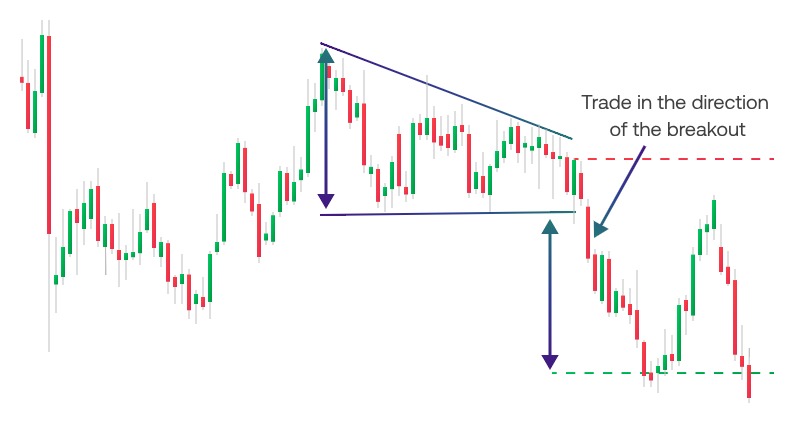
Key characteristics:

  • Directional movement

  • Pullbacks are shallow and controlled

  • Momentum favors continuation

Typical trader mistake:
Trying to fade or counter-trade strong trends.

➡️ Best suited for: Trend-following and breakout-based strategies


2.2 Ranging Market

A ranging market moves sideways within a defined price range.
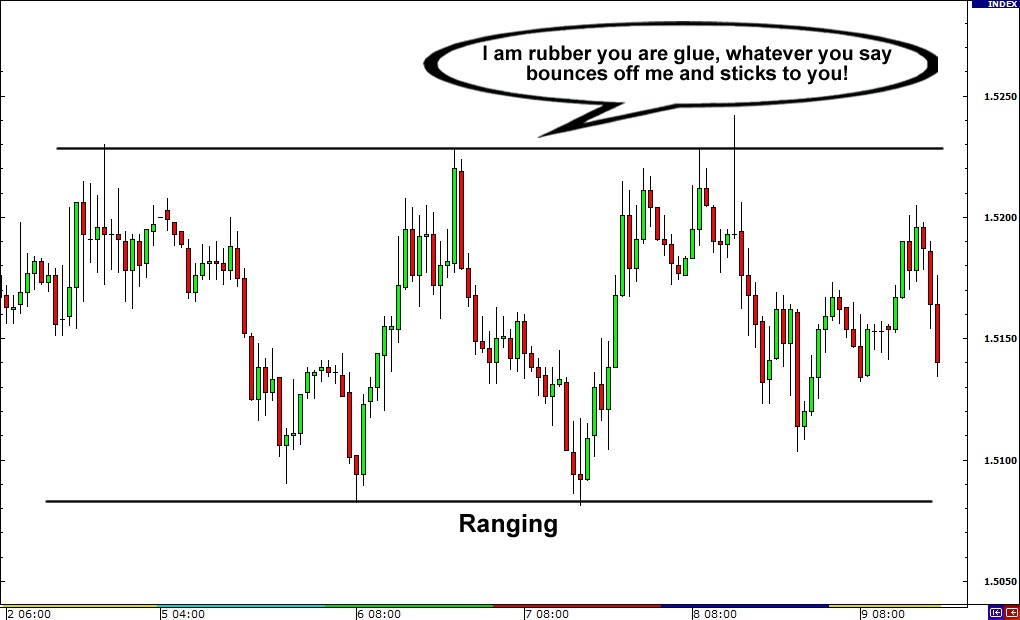
Key characteristics:

  • Clear support and resistance

  • Price oscillates without clear direction

  • Breakouts often fail

Typical trader mistake:
Using trend-following strategies where no trend exists.

➡️ Best suited for: Mean reversion and range-based strategies


2.3 High Volatility Market

High volatility markets show large price swings, often driven by news, macro events, or strong participation.
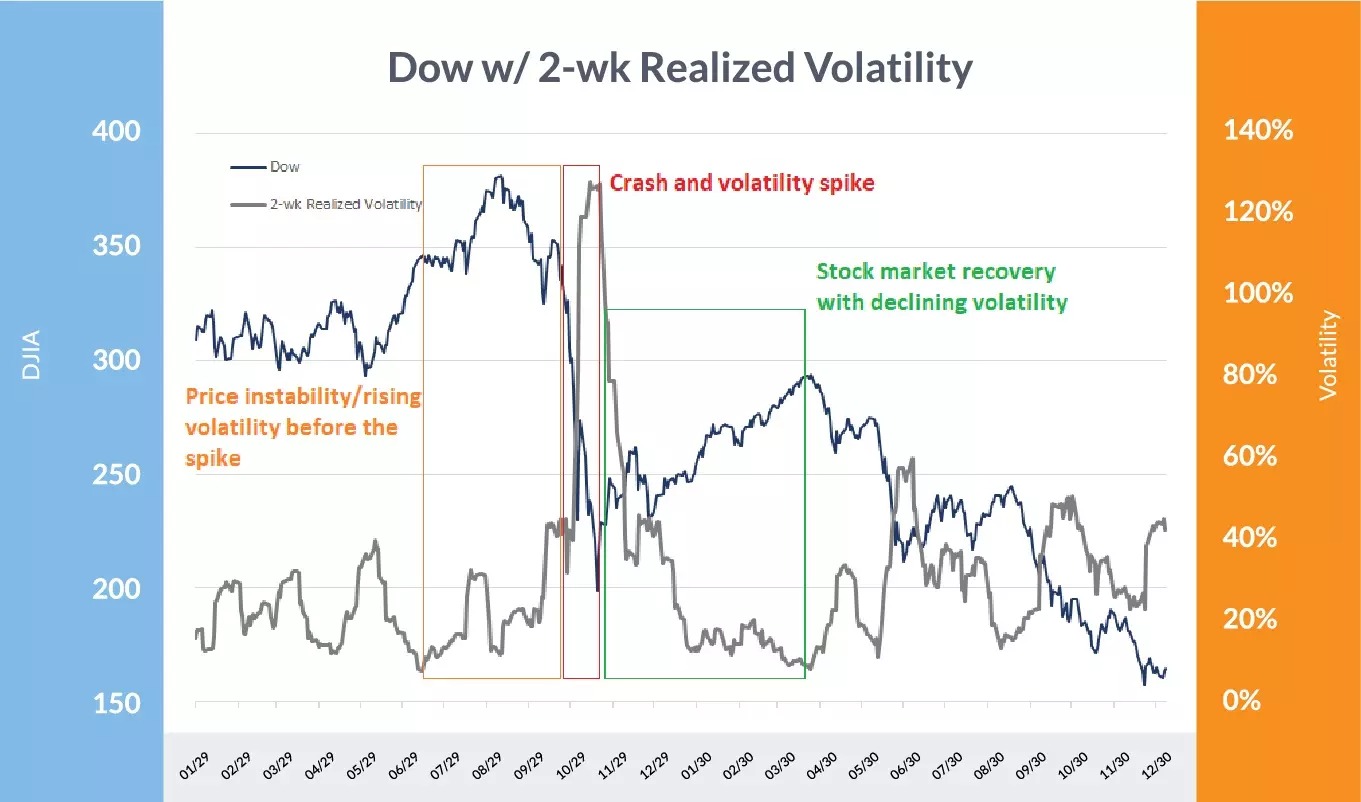
Key characteristics:

  • Large candles

  • Wide trading ranges

  • Increased risk and opportunity

Typical trader mistake:
Using normal position size and tight stops.

➡️ Requires: Adjusted risk management and volatility-aware strategies


2.4 Choppy Market

A choppy market is one of the most dangerous environments for traders.
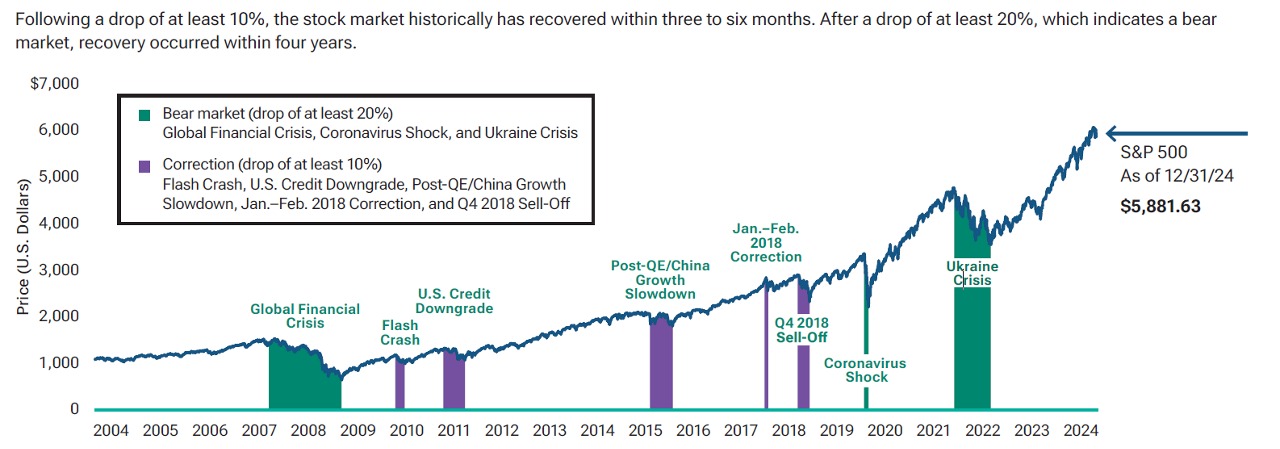
Key characteristics:

  • No clear trend

  • No clean range

  • Frequent false breakouts

  • Stop-loss hunting behavior

Typical trader mistake:
Overtrading and forcing setups.

➡️ Often best action: Do not trade


3. How to Identify Market Conditions (Step-by-Step)

Step 1: Observe Market Structure

Ignore indicators initially and focus on price behavior:

  • Higher highs / lower lows → trending

  • Equal highs / equal lows → ranging

  • Erratic swings → choppy


Step 2: Measure Volatility

You do not need advanced tools. Simple observations help:

  • Candle size relative to recent history

  • Speed of price movement

  • Distance between swings


Step 3: Check Timeframe Alignment

A market can be:

  • Trending on H4

  • Ranging on M15

  • Choppy on M5

Market condition is timeframe-dependent, not universal.


4. Why Market Condition Matters More Than Strategy Choice

Many traders jump from one strategy to another, assuming the strategy is the problem.

In reality:

  • The strategy may be correct

  • The market condition is wrong

A solid trading strategy only works when applied in the environment it was designed for.

This is why professional traders focus first on context, not entries.


5. Market Conditions Change – Strategies Must Adapt

Markets are dynamic, not static.

A trending market can transition into:

  • Consolidation

  • Distribution

  • High volatility news phase

Successful traders reassess conditions continuously instead of forcing consistency.


6. Market Condition vs Indicator Signals

Indicators often give signals without context.

A buy signal in:

  • A trending market → opportunity

  • A choppy market → trap

Market condition acts as a filter, deciding whether a signal deserves attention.


7. Final Thoughts

Identifying market conditions is not about prediction.
It is about alignment.

When your strategy matches the market environment, execution becomes easier, risk decreases, and consistency improves.

Before your next trade, ask one question:

What market condition am I trading right now?

Share76Tweet47
Previous Post

News Trading Strategy: How to Trade Market Volatility Without Gambling

Related Posts

News Trading Strategy: How to Trade Market Volatility Without Gambling

by Baby Bear
January 15, 2026
0

1. What Is a News Trading Strategy? A news trading strategy is a trading approach that focuses on market reactions...

Scalping Trading Strategy: How to Trade Short-Term Market Moves with Discipline

by Baby Bear
January 15, 2026
0

1. What Is a Scalping Trading Strategy? A scalping trading strategy is a short-term trading approach that aims to capture...

Pullback Trading Strategy: How to Trade Retracements with Precision and Control

by Baby Bear
January 15, 2026
0

1. What Is a Pullback Trading Strategy? A pullback trading strategy focuses on entering trades after price temporarily retraces against...

Breakout Trading Strategy: How to Trade High-Momentum Market Moves Professionally

by Baby Bear
January 15, 2026
0

1. What Is a Breakout Trading Strategy? A breakout trading strategy is designed to capture strong price movements that occur...

Day Trading Strategy: A Practical Guide to Trading Intraday with Consistency

by Baby Bear
January 15, 2026
0

1. What Is Day Trading? Day trading is a trading strategy where all positions are opened and closed within the...

Load More
  • Trending
  • Comments
  • Latest
Forex Trading Styles

Forex Trading Styles Explained: Scalping, Day Trading, Swing Trading, and Position Trading

December 20, 2025
forex account types

Forex Account Types Explained: Standard, Raw, ECN & More

December 15, 2025

Execution #2: Order Execution in Forex – Slippage, Requotes & Why It Affects Your Results

January 12, 2026
OKX Review

OKX Review 2026 — Is OKX a Safe, Legit and Reliable Crypto Exchange?

December 29, 2025

Swing Trading Strategy: A Practical Approach for Consistent Traders

0

Risk–Reward Strategy: The Foundation of All Profitable Trading

0

Risk Management #6: Scaling Risk, Drawdown Control & When to Reduce Size

0

Risk Management #5: Drawdown, Losing Streaks & Capital Survival

0

Swing Trading Strategy: A Practical Approach for Consistent Traders

January 12, 2026

Risk–Reward Strategy: The Foundation of All Profitable Trading

January 7, 2026

Risk Management #6: Scaling Risk, Drawdown Control & When to Reduce Size

January 5, 2026

Risk Management #5: Drawdown, Losing Streaks & Capital Survival

January 5, 2026

BullBearLearn.com is an independent educational website on Forex and financial trading, offering knowledge, strategies, and tools to help traders understand and navigate markets—whether bullish or bearish.

Categories
  • Broker Reviews
  • Core Concepts
  • Core Strategies
  • Crypto Exchange
  • Execution
  • Forex Basic
  • Learn Forex
  • Market Condition
  • Price Action
  • Risk Management
  • Trading Strategies
Tags
Beginner Binance Review breakout Broker Reviews Bybit review Core Concepts cost crypto exchange Execution Exness Review fees forex basic guide Leverage lot Margin mistake OKX review pip price action risk risk reward Spread swap Swing XM Review xtb review

Disclaimer: Content on BullBearLearn.com is for educational purposes only and not intended as financial advice. Trading involves risk.​

  • About
  • Privacy Policy
  • Terms of Service
  • Disclaimer
  • Cookie Policy
  • Affiliate Disclosure
  • Contact Us

© 2025 BullBearLearn.com — Learn to Trade, Bull or Bear.

Welcome Back!

Login to your account below

Forgotten Password?

Retrieve your password

Please enter your username or email address to reset your password.

Log In

Session expired

Please log in again. The login page will open in a new tab. After logging in you can close it and return to this page.

Add New Playlist

>

Table of Contents

×
  • 1. What Is a Market Condition in Trading?
  • 2. The Four Core Market Conditions
    • 2.1 Trending Market
    • 2.2 Ranging Market
    • 2.3 High Volatility Market
    • 2.4 Choppy Market
  • 3. How to Identify Market Conditions (Step-by-Step)
    • Step 1: Observe Market Structure
    • Step 2: Measure Volatility
    • Step 3: Check Timeframe Alignment
  • 4. Why Market Condition Matters More Than Strategy Choice
  • 5. Market Conditions Change – Strategies Must Adapt
  • 6. Market Condition vs Indicator Signals
  • 7. Final Thoughts
→ Index
No Result
View All Result
  • Home
  • Learn Forex
    • Forex Basic
    • Trading Strategies
    • Price Action
  • Learn Crypto
  • Broker Reviews
  • Tools FREE
  • Blog
START

© 2025 BullBearLearn.com — Learn to Trade, Bull or Bear.