

High volatility markets attract traders for one simple reason: opportunity.
Large price movements can generate significant profits in a short period of time.
However, volatility is a double-edged sword.
The same conditions that create opportunity also amplify risk, emotional pressure, and execution errors.
This article explains how high volatility markets behave, why many traders lose money during volatile periods, and which trading strategies are best suited for fast, unstable market environments.
1. What Is a High Volatility Market?
A high volatility market is defined by rapid price movement and wide price swings over a short time frame.
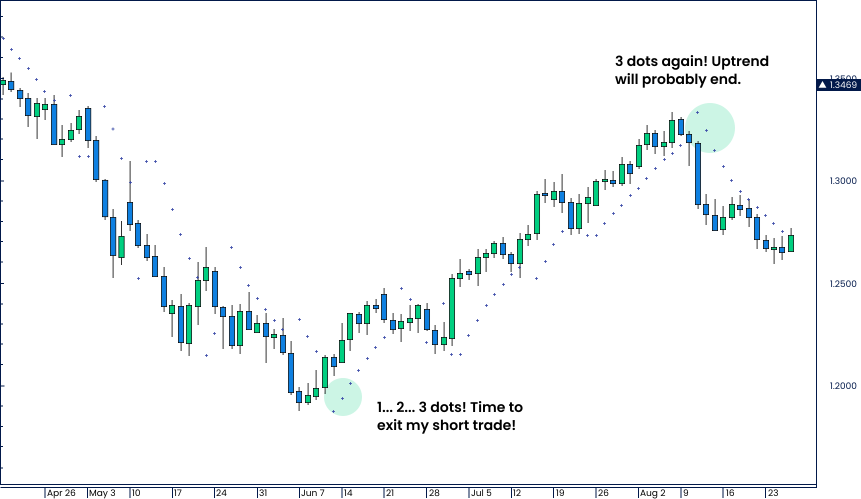

Key characteristics of high volatility markets:
-
Large candle ranges
-
Fast directional changes
-
Expanded trading ranges
-
Increased slippage and spreads
-
Emotional market behavior
High volatility often appears during:
-
Major economic news releases
-
Unexpected geopolitical events
-
Market open or close
-
Trend transitions or breakdowns
2. Why High Volatility Markets Are Dangerous for Traders
Many traders confuse volatility with direction.
In reality:
-
High volatility does not guarantee a trend
-
Price can move aggressively in both directions
-
Stop-loss levels are hit more frequently
The most common losses in volatile markets come from normal strategies applied without adjustment.
3. Strategy Selection in High Volatility Conditions
High volatility markets require adaptation, not abandonment of strategy.
Below are strategy types that tend to perform better during volatile conditions.
3.1 Breakout Strategies with Confirmation
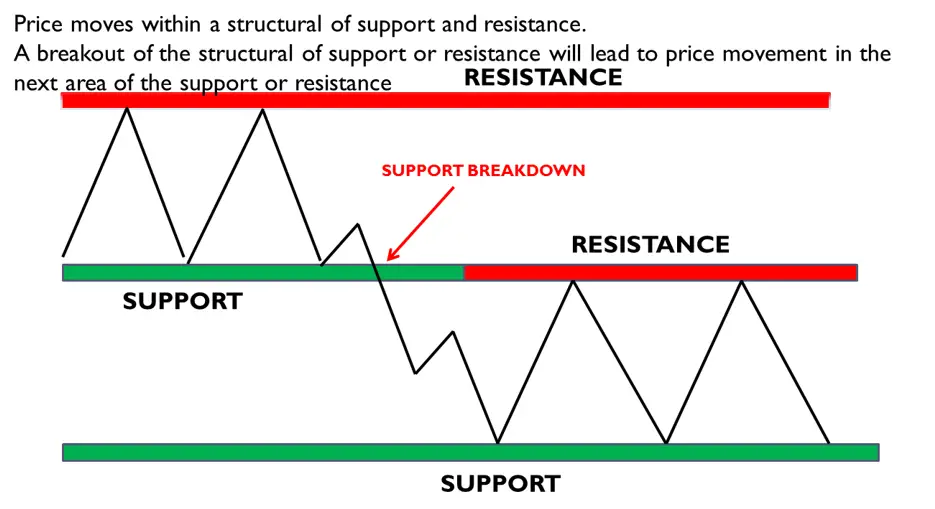
Volatility often fuels strong breakouts—but also false ones.
Effective breakout strategies in volatile markets:
-
Wait for confirmation, not initial spikes
-
Focus on volatility expansion after consolidation
-
Avoid chasing the first impulse
Breakouts without structure during volatility are often traps.
3.2 Momentum-Based Short-Term Strategies
High volatility supports short-term momentum bursts.
These strategies focus on:
-
Capturing a portion of rapid movement
-
Faster entries and exits
-
Reduced holding time
The goal is participation, not prediction.
3.3 Volatility Compression–Expansion Strategies
Markets alternate between low and high volatility phases.
Compression–expansion strategies aim to:
-
Identify periods of reduced volatility
-
Trade the expansion that follows
-
Avoid random volatility spikes
This approach helps traders avoid entering during chaotic price movement.
3.4 Event-Aware Trading Strategies
Not all volatility is equal.
Event-driven volatility behaves differently from organic market movement.
Successful traders:
-
Know when volatility is news-driven
-
Reduce exposure during unpredictable spikes
-
Trade post-event reactions rather than the event itself
4. How to Confirm a High Volatility Market
Before adjusting strategies, traders must confirm that volatility is genuinely elevated.
Confirmation checklist:
-
Candle size significantly larger than recent average
-
Increased speed of price movement
-
Wider price swings
-
Frequent stop hunts
-
Increased market noise
If volatility increases without structure, caution is required.
5. Risk Management in High Volatility Markets
Risk management is non-negotiable in volatile environments.
5.1 Position Sizing Adjustments
High volatility requires:
-
Smaller position sizes
-
Wider stops
-
Lower leverage
Maintaining consistent risk per trade is more important than capturing large moves.
5.2 Stop-Loss Placement
Tight stops rarely survive high volatility.
Effective approaches include:
-
Structural stops instead of fixed distances
-
Accepting wider invalidation zones
-
Avoiding over-optimization
5.3 Trade Frequency Control
More movement does not mean more trades.
High volatility increases emotional decision-making, which leads to overtrading.
Professional traders often trade less, not more, during volatile periods.
6. Common Mistakes in High Volatility Markets
6.1 Chasing Price
Rapid movement creates urgency.
Chasing entries leads to:
-
Poor execution
-
Slippage
-
Unfavorable risk-to-reward ratios
6.2 Using Normal Risk Parameters
Applying standard risk rules to abnormal conditions often results in losses.
Volatility demands flexibility, not rigidity.
6.3 Ignoring Market Context
Volatility without context is noise.
Understanding whether volatility is:
-
News-driven
-
Trend-driven
-
Transition-driven
makes a critical difference.
7. High Volatility vs Other Market Conditions
| Market Condition | Strategy Focus |
|---|---|
| Trending | Continuation |
| Ranging | Mean reversion |
| High Volatility | Adapted momentum & breakout |
| Choppy | Avoid trading |
Volatility alone should never be the sole reason to enter a trade.
8. Psychological Challenges of Volatile Markets
High volatility increases:
-
Fear of missing out
-
Emotional swings
-
Decision fatigue
Traders must accept that not trading is sometimes the most profitable decision.
Discipline matters more than speed.
9. Final Thoughts
High volatility markets offer opportunity—but only to traders who respect risk.
The objective is not to exploit every move, but to survive volatility consistently.
If your strategy does not adapt to volatility, volatility will eventually break your strategy.