

One of the first decisions every cryptocurrency investor faces is how to store their digital assets.
After buying Bitcoin, Ethereum, or other cryptocurrencies, many beginners discover there are multiple ways to store them.
The two most common options are:
- Hot Wallets
- Cold Wallets
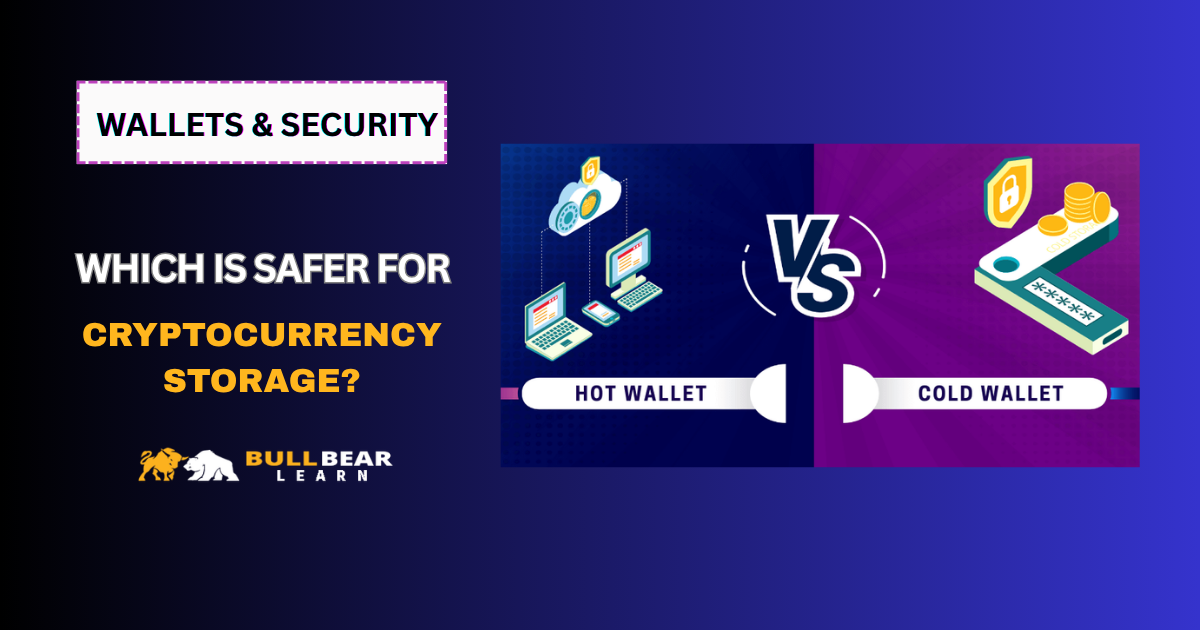
Both allow users to access and manage cryptocurrency, but they differ significantly in terms of security, convenience, and intended use.
Choosing the right wallet can have a major impact on the safety of your assets.
In this guide, we’ll compare hot wallets and cold wallets, explain their advantages and disadvantages, and help you decide which option is best for your situation.
What Is a Crypto Wallet?
Before comparing wallet types, it’s important to understand what a crypto wallet actually does.
A cryptocurrency wallet does not physically store coins.
Instead, it stores the credentials needed to access assets recorded on the blockchain.
Wallets allow users to:
- Send cryptocurrency
- Receive cryptocurrency
- View balances
- Manage assets
- Connect to blockchain applications
The primary difference between hot wallets and cold wallets is how they manage internet connectivity.
What Is a Hot Wallet?
A hot wallet is a cryptocurrency wallet connected to the internet.
Because it remains online, users can access funds quickly and easily.
Hot wallets are the most commonly used wallet type.
Examples include:
- Mobile wallets
- Browser wallets
- Desktop wallets
- Exchange wallets
Popular examples:
- MetaMask
- Trust Wallet
- Coinbase Wallet
Hot wallets are often the first wallets beginners encounter.
What Is a Cold Wallet?
A cold wallet stores private keys offline.
Because it remains disconnected from the internet, it significantly reduces exposure to online threats.
Cold wallets are generally used for:
- Long-term storage
- Large holdings
- Enhanced security
The most common type of cold wallet is a hardware wallet.
Popular examples include:
- Ledger
- Trezor
Cold storage is widely considered one of the safest methods for protecting cryptocurrency.
Hot Wallet vs Cold Wallet: Quick Comparison
| Feature | Hot Wallet | Cold Wallet |
|---|---|---|
| Internet Connection | Yes | No |
| Convenience | High | Moderate |
| Security | Good | Excellent |
| Cost | Usually Free | Usually Paid |
| Daily Use | Excellent | Limited |
| Long-Term Storage | Moderate | Excellent |
| DeFi Access | Excellent | Possible but Less Convenient |
| Beginner Friendly | Very High | Moderate |
Each wallet type serves a different purpose.
How Hot Wallets Work
Hot wallets maintain an internet connection so users can interact with blockchain networks instantly.
When a user wants to:
- Send crypto
- Receive crypto
- Connect to DeFi
- Trade NFTs
the wallet communicates directly with the blockchain.
This convenience is why hot wallets are so popular.
However, internet connectivity also introduces security risks.
How Cold Wallets Work
Cold wallets keep private keys offline.
Even when connected temporarily for transactions, the private key itself remains isolated from internet-connected devices.
For example:
When using a hardware wallet:
- Transaction data is prepared.
- The device verifies the transaction.
- Approval occurs on the device.
- The signed transaction is broadcast to the network.
The private key never leaves the device.
This security model dramatically reduces attack surfaces.
Advantages of Hot Wallets
Easy to Use
Hot wallets are typically designed for convenience.
Most can be installed within minutes.
Fast Transactions
Users can quickly access funds whenever needed.
Free Options Available
Many popular hot wallets are free.
Excellent for DeFi and Web3
Hot wallets integrate easily with:
- Decentralized exchanges
- NFT marketplaces
- Blockchain games
- Web3 applications
Ideal for Active Users
Frequent traders often prefer hot wallets because of their accessibility.
Disadvantages of Hot Wallets
Increased Security Risk
Internet connectivity creates more opportunities for attack.
Malware Exposure
Compromised devices may threaten wallet security.
Phishing Attacks
Fake websites frequently target hot wallet users.
Browser Vulnerabilities
Browser-based wallets may face additional risks.
Although reputable hot wallets are generally secure, they require careful security practices.
Advantages of Cold Wallets
Superior Security
Cold wallets significantly reduce online attack risks.
Protection Against Malware
Offline private keys remain isolated.
Long-Term Storage
Many investors use cold wallets to protect holdings for years.
Greater Peace of Mind
Large investors often feel more comfortable storing substantial amounts offline.
Industry Best Practice
Cold storage is widely considered the gold standard for securing cryptocurrency.
Disadvantages of Cold Wallets
Additional Cost
Hardware wallets typically require purchasing a device.
Less Convenient
Accessing funds may take longer.
Learning Curve
Beginners may require additional setup time.
Physical Risks
Hardware devices can be:
- Lost
- Damaged
- Stolen
Proper backup procedures remain essential.
Which Wallet Is More Secure?
From a pure security perspective:
Cold wallets are generally safer.
Why?
Because most cryptocurrency attacks occur online.
Examples include:
- Phishing attacks
- Malware infections
- Fake applications
- Browser exploits
By keeping private keys offline, cold wallets eliminate many of these threats.
However, no wallet is completely risk-free.
Users can still lose funds through:
- Poor backups
- Lost recovery phrases
- Social engineering scams
Security ultimately depends on both technology and user behavior.
Which Wallet Is Better for Beginners?
The answer depends on how cryptocurrency will be used.
Hot Wallet May Be Better If You:
- Are new to crypto
- Hold smaller amounts
- Trade regularly
- Use DeFi applications
- Want maximum convenience
Cold Wallet May Be Better If You:
- Hold significant assets
- Invest long-term
- Prioritize security
- Rarely move funds
Many beginners start with hot wallets and later transition to cold storage as their holdings grow.
Can You Use Both?
Absolutely.
In fact, many experienced investors use both wallet types.
A common approach is:
Hot Wallet
Used like a checking account.
Stores smaller amounts for:
- Trading
- Spending
- DeFi activities
Cold Wallet
Used like a savings account.
Stores larger amounts intended for long-term holding.
This approach balances convenience and security.
Common Hot Wallet Mistakes
Connecting to Unknown Websites
Always verify URLs before connecting a wallet.
Approving Suspicious Transactions
Read permissions carefully.
Downloading Fake Wallet Apps
Only download from official sources.
Reusing Weak Passwords
Strong unique passwords improve security.
Ignoring Software Updates
Updates often contain important security improvements.
Common Cold Wallet Mistakes
Losing the Seed Phrase
The recovery phrase is often more important than the device itself.
Storing Backups Digitally
Online storage creates unnecessary risk.
Failing to Test Recovery
Users should understand how wallet recovery works before emergencies occur.
Buying Devices from Unofficial Sources
Only purchase hardware wallets directly from manufacturers or authorized retailers.
How Much Crypto Should Be Stored in a Hot Wallet?
There is no universal rule.
Many investors use a simple principle:
Only keep amounts in a hot wallet that you would feel comfortable carrying in a physical wallet.
For example:
- Spending funds
- Trading capital
- Short-term holdings
Larger amounts are often moved to cold storage.
How Much Crypto Should Be Stored in a Cold Wallet?
Cold wallets are commonly used for:
- Long-term investments
- Portfolio reserves
- Large holdings
Investors who plan to hold Bitcoin or Ethereum for years often prefer cold storage solutions.
Real-World Example
Imagine two investors.
Investor A
Owns:
- $500 worth of crypto
- Trades weekly
- Uses DeFi occasionally
A hot wallet may be sufficient.
Investor B
Owns:
- $25,000 worth of Bitcoin
- Rarely trades
- Plans to hold for five years
A cold wallet would likely provide better protection.
Different situations require different solutions.
The Best Strategy for Most Investors
For many cryptocurrency users, the most practical approach is a combination of both wallet types.
Use:
✅ Hot Wallets for convenience
✅ Cold Wallets for security
This strategy is commonly used by experienced investors and institutions alike.
🚀 Buying Crypto Before Setting Up a Wallet?
Most beginners purchase cryptocurrency through an exchange before deciding on a wallet solution.
Popular exchanges include:
👉 Binance — https://bullbearlearn.com/go/binance
⚡ OKX — https://bullbearlearn.com/go/okx
🔥 Bybit — https://bullbearlearn.com/go/bybit
After purchasing crypto, consider learning about wallet security and self-custody before transferring significant amounts.
Final Thoughts
Hot wallets and cold wallets both play important roles in cryptocurrency storage.
Hot wallets offer speed, convenience, and easy access to blockchain applications.
Cold wallets provide stronger security and are often preferred for long-term storage.
Rather than viewing them as competitors, it’s often more useful to think of them as complementary tools.
For most investors, combining both wallet types offers the best balance between accessibility and protection.
Understanding the strengths and weaknesses of each option is an important step toward becoming a safer and more confident cryptocurrency investor.
Related Articles
📘 What Is Cryptocurrency? A Beginner’s Guide to Digital Assets
🔐 What Is a Crypto Wallet? A Beginner’s Guide
₿ What Is Bitcoin? A Beginner’s Guide to the World’s First Cryptocurrency
⟠ What Is Ethereum? A Beginner’s Guide to the Leading Smart Contract Platform
⚖️ Bitcoin vs Ethereum: What’s the Difference and Which Is Better?
Frequently Asked Questions
Is a cold wallet safer than a hot wallet?
Generally, yes. Cold wallets keep private keys offline, reducing exposure to online threats.
Do I need a cold wallet as a beginner?
Not necessarily. Many beginners start with hot wallets and later move to cold storage as their holdings increase.
Can a hot wallet be hacked?
Hot wallets can be targeted through phishing attacks, malware, and compromised devices, which is why security practices are important.
What happens if I lose my hardware wallet?
If you still have your seed phrase, you can usually recover your assets using a new compatible wallet.
Should I use both a hot wallet and a cold wallet?
Many experienced investors use both. Hot wallets provide convenience, while cold wallets provide enhanced security.